Florida Couple Brings Child Along For Real Life Grand Theft Auto
"Take your child to work day" can be either awesome or awful, depending on the situation. This one is squarely on the awful side.
Read More

"Take your child to work day" can be either awesome or awful, depending on the situation. This one is squarely on the awful side.
Read MoreThe airline didn't discover "anomalies" in his license documentation until 2025, the same year that the pilot retired.
Read MoreA recent poll shows that most adults expect gas prices to get worse in the next year, including Independents and even a significant percentage of Republicans.
Read MoreEven worse, gas isn't the only thing petroleum's used for, and we all know what happens to cost when supply disappears.
Read MoreThere are numerous differences between diesel and gas engines, including the number of fuel filters each uses. Here's why many diesels use two fuel filters.
Read MoreFactors such as condition and history can drastically swing the final offer CarMax makes for your car either way, and some owners have wild experiences.
Read MoreCreated to compete with the BMW 3 Series, the Ford Merkur XR4Ti had a long list of strengths, but they couldn’t outweigh the cards stacked against it.
Read MoreHeavy-hitter former executives have lost faith in Mibe, but he's still backed by the board of directors, so he's been able to withstand the pressure, for now.
Read MoreIt's safe to say that the Japanese Bubble Economy, albeit a pain for Japan when things finally collapsed, was a boon to the car enthusiast community.
Read MoreGPS is a pretty critical infrastructure system. Air travel, electricity grids and even cellular communications rely on GPS to some degree.
Read MoreFolks, it's once again time to gather 'round the QOTD tree and exchange gripes and grumbles.
Read MorePlus Harley Davidson's dumb war with Indian, Mercedes' new electric motors, and Honda's latest big recall.
Read MoreThe three cars made their red carpet debut June 9 for the "Toy Story 5" premiere.
Read MoreI'll accept any answer, as long as it's a car that actually raced at least once (even if it DNF'd).
Read MoreRegardless of your opinion on the name, a potentially less-expensive Leaf can't be a bad thing.
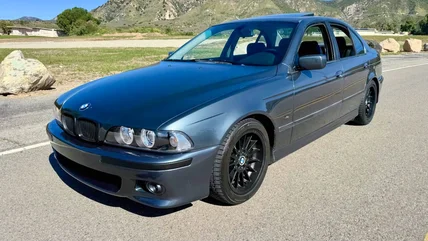
Read MoreThe E39 is arguably the last great 5 Series to come out of Bavaria, and this one comes with a factory manual transmission, but is it worth nearly $15k?
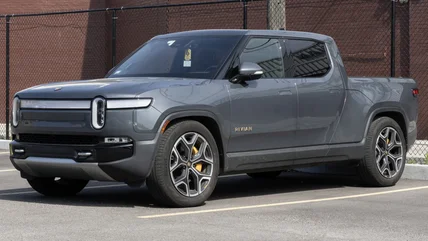
Read MoreIf you're thinking about investing in a used Rivian R1T for your next vehicle, here's how much a 2022 model has depreciated in the last 4 years.
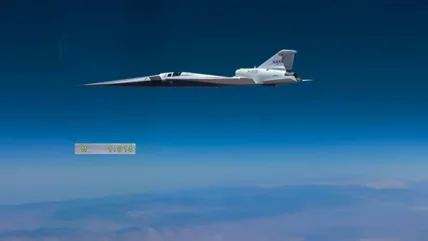
Read MoreThe purpose of the X-59 is to make faster air travel possible, without continually rattling the people of the continental U.S.
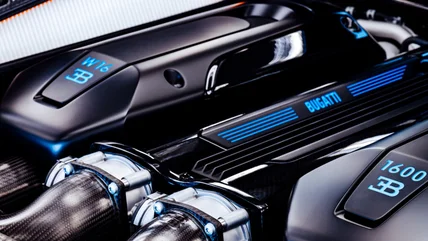
Read MoreYou might know a lot about V6 and V8 engines, but you might not know that there are W engines as well. And they come in many different sizes.
Read MoreEver wonder why rockets don’t shoot straight up into space? Discover the fascinating physics behind curved rocket launch trajectories and gravity turns.
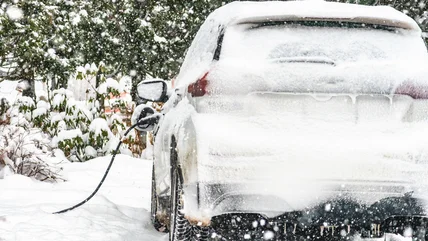
Read MoreWhile both EVs and hybrids see a drop in efficiency in extreme heat and cold, they don't suffer in the same way. Learn how weather impacts hybrid MPG.
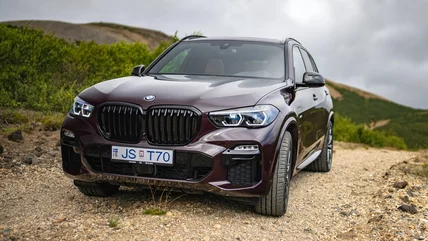
Read MoreThe 2021 BMW X5 M is one ridiculously fast V8 SUV, but keeping it on the road can cost you your kid's college fund. Here's how much it has depreciated so far.
Read MoreHere we go, it's kill all tires time!
Read MoreGM has big plans for cheap batteries, only they're not for its cars.
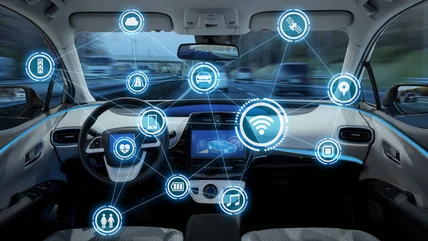
Read MoreModern cars collect a tremendous amount of personal data, but there are ways to delete it. Here are the steps you need to take to protect your privacy.
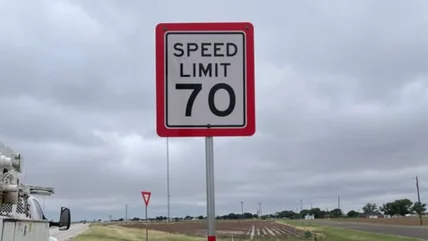
Read MoreSome speed limit signs now feature a red border that stands out from the usual design. Here’s why it’s being used and what it signals.
Read MoreStevens' proposal for a new Studebaker Lark was to create an American rival to the Volkswagen Beetle.
Read MoreOne Canadian company has taken the torch to manufacture repairable vehicles with no tech, just for a more niche industry: farming.
Read MoreIf there is a custody battle to be had, the Smithsonian has it locked down.
Read MoreThe thief used a driverless Waymo, complete with 29 cameras, for transportation to and from the scene of a crime, but police still haven't made any arrests.
Read MoreIf you've got a prescription and you're below Australia's legal limits, driving with a little bit of THC in your system won't necessarily be a deal-breaker.
Read More