13
Front Vs. Mid Vs. Rear Engine: The Pros And Cons Of Each Layout Explained
Front-engine layouts are the most popular layout you'll find in cars, but mid-engine and rear-engine layouts have their own positives and downsides.
Read More

Front-engine layouts are the most popular layout you'll find in cars, but mid-engine and rear-engine layouts have their own positives and downsides.
Read MoreChrysler may be down to a small handful of offerings bearing its name, but its enduring legacy in terms of innovation remains unimpeachable to this day.
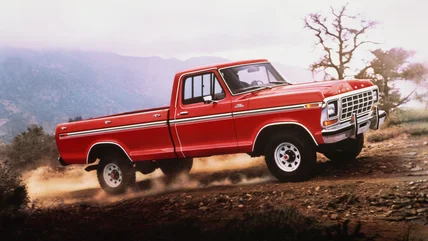
Read MoreFord introduced the F-150 in 1975 to serve as a bridge between the light-duty F-100 and heavy-duty F-250. Here's how the truck evolved in size over the years.
Read MoreVehicles designed for off-road adventures will likely have plenty of ground clearance. This clearance is paired with either rock sliders or running boards.
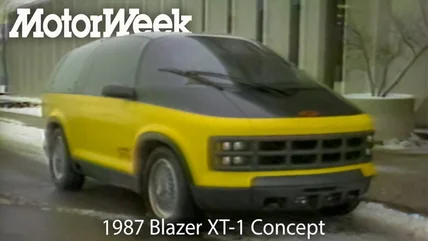
Read MoreThe Blazer XT-1 was a "testbed for new light truck technology" designed by GM's Advanced Vehicle Engineering, and it was actually driveable.
Read MoreChevrolet replaced the 2.2-liter OHV engine in its Cavalier model with the 2.2-liter Ecotec. Just how worthwhile was this replacement in the first place?
Read MoreEngine knocking can be an annoying issue to deal with, and it can even cause damage to your car. Here's why it might happen, and how you can prevent it.
Read MoreDiesel engines are durable and capable, but it's easy to overlook one particular quirk regarding the intake manifold that should otherwise be regularly checked.
Read MoreOver time, every EV's battery is going to degrade. One specific habit can cause that battery to degrade faster, but that doesn't mean you should stop doing it.
Read MoreGeneral Motors used the TH350 and TH400 transmissions in the '60s. The numbers in their names aren't the only things different about them, though.
Read MoreThe physical differences between Honda's K20 and K24 engines are minor. However, they can vary wildly in terms of overall performance and output.
Read MoreInline-six engines are well-balanced, and they have a great history of being reliable. Four engines in particular are especially notable for their longevity.
Read MoreForced induction is a fantastic way to get more power out of a car, but it needs to rely on an intercooler. These can either be air-to-air or air-to-water.
Read MoreDiesel engines rely on different types of fuel injection. Mechanical was used early on, but common rail became more popular for a few reasons.
Read MoreThe obvious difference between the Magnum and the Hemi is the shape of their combustion chambers. But there are other key differences in both design and cost.
Read MoreOn the outside, the original Eddie Bauer Ford set the tone — the two-tone that is.
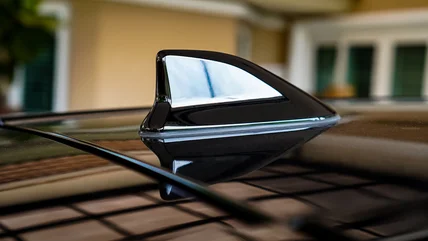
Read MoreThe humble radio antenna has become more of a design feature in recent years, but sometimes the shape is dictated by function, as well as form.
Read MoreIceland is a large country with rough terrain, but it's managed to cultivate an extensive culture filled with automotive enthusiasts and unique races.
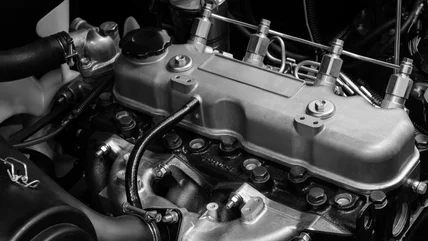
Read MoreBore and stroke are important measurements when it comes to calculating an engines displacement, and the kind of performance an engine offers.
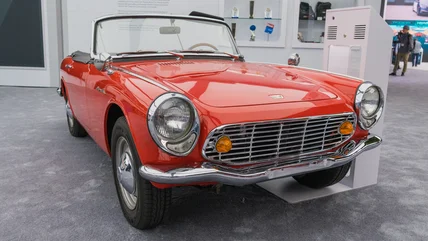
Read MoreHonda's tiny S600 sports car had a free-spinning 606cc engine that reached 9,500 rpm, but how could it manage that with almost no oil pressure?
Read MoreCoke-bottle styling originated with a manufacturer known for stodginess, but the design language went on to adorn some of the world's most beautiful cars.
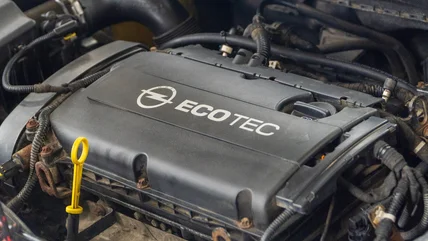
Read MoreEver seen the Ecotec logo under a General Motors car's hood and wondered what it's all about? We've done the research so you don't have to.
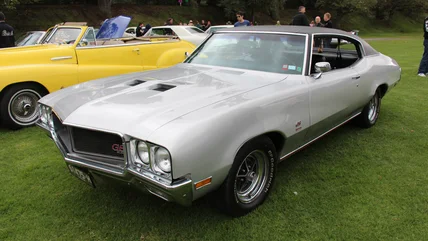
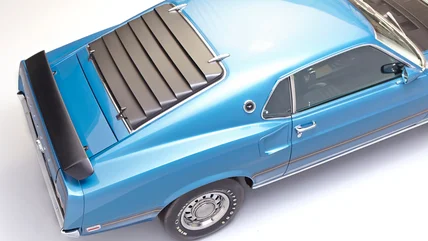
Read MoreWindow louvers were an iconic design element of classic muscle cars. But they also served practical purposes beyond looking exceptionally stylish.
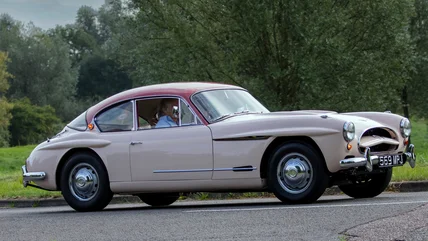
Read MoreThe British were once known for making great sports cars. Some are well-known, but you might be unfamiliar with a few on our list — and they’re all gorgeous.
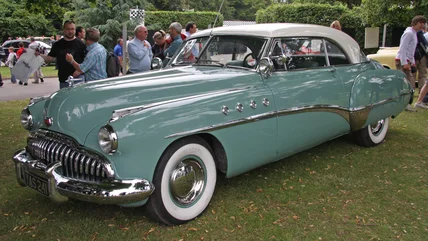
Read MoreThe 1949 Buick Roadmaster was the very first Buick to feature Ventiports, whose design evolved over the years. But what did the number of portholes signify?
Read MoreIt had impressive performance for a sedan in its era, but the pumped-up Mazdaspeed6 has lots of reliability issues that could be expensive to repair.
Read MoreTailfins were placed on all sorts of sizable sedans and coupes in the 1950s and 1960s, but they were gone almost as quickly as they arrived.
Read More