7
How The Average MPG In The '70s Compares To The Average MPG Today
You probably know that modern cars are far more efficient than 1970s models, but how does the average MPG truly compare once you factor in new technologies?
Read More

You probably know that modern cars are far more efficient than 1970s models, but how does the average MPG truly compare once you factor in new technologies?
Read MoreWait, if cars could actually talk, would they have their automaker's accent or the accent local to where they were built?
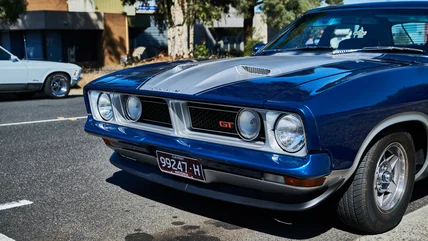
Read MoreNot all muscle cars are made in the U.S. Some cars made and sold in other countries also offered a roaring engine, rear-wheel drive, and cool looks.
Read MoreWhile extremely rare, race bans have sidelined many Formula 1 stars over the years, usually due to reckless driving, causing crashes, or ignoring penalties.
Read MoreIt doesn't have to be rare or expensive to be worthy of love.
Read MoreWhen is a Chrysler not a Chrysler? When it's badge-engineered from another make. Here's the story behind the Dodge, Plymouth, and Chrysler Conquests.
Read MoreTo many enthusiasts' ears, Bridgestone sounds as American as Goodyear or apple pie, but this tire brand's name is actually 100% Japanese.
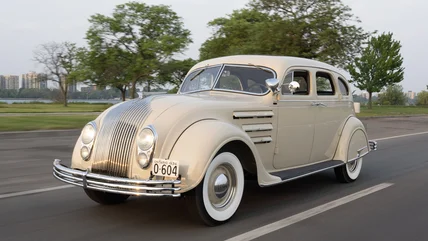
Read MoreRadical aerodynamics and advanced construction couldn’t save the Chrysler Airflow, as rushed production and the Great Depression sealed its fate.
Read MoreThe Genesis brand makes some popular luxury cars today, but it might not have achieved its success if it weren't for preceding Hyundai models.
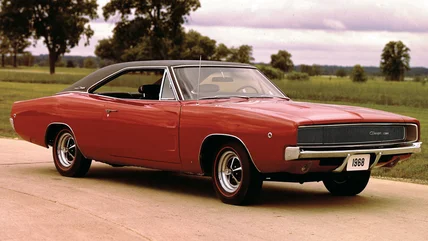
Read MoreRapid Transit? Racing Technology? Rally Touring? Racing Team? There are lots of possibilities for the meaning behind the R/T label, but only one is right.
Read MoreWe may be facing another huge oil crisis, and looking at the consequences of the 1973 OPEC embargo under Nixon can teach us a lot on how to navigate it today.
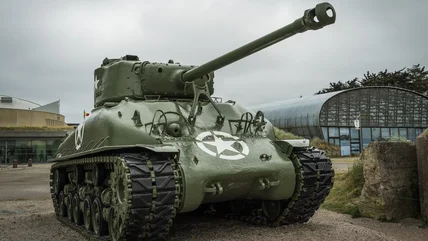
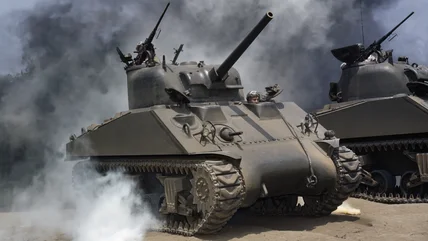
Read MoreOnly a tiny fraction of the massively popular M4 Sherman tanks built for WWII exist today, and the reason why is just as frustrating as the number itself.
Read MoreV8-powered Jeeps like the Grand Cherokee Limited made a splash starting in 1998, but Jeeps actually were using V8 engines over three decades earlier.
Read MoreSports Utility Vehicles are exceptionally popular today, but it might be difficult to agree on what makes a "true" SUV. But that's how it's always been.
Read MoreHe played with a brilliant band that recorded four albums in two years, then dissolved. He made more music, then a project that took his Range Rover to Africa.
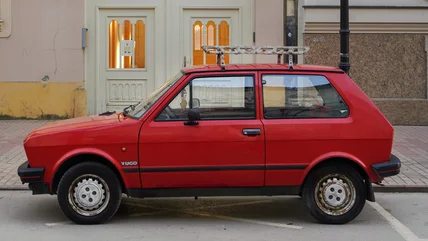
Read MoreMalcolm Bricklin introduced the Yugo to American drivers with high hopes, and the cars' low price was eye-catching. But their success was short-lived.
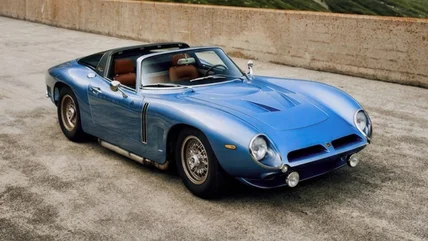
Read MoreThis targa might look like it's from the '60s, but it's almost entirely new with a semi-monocoque bonded chassis and a single-piece carbon-fiber composite body.
Read MoreThere were 13 Range Rovers among the 182 vehicles trying to cover the 6,200 miles of the first Paris-Dakar Rally. But only one could be the four-wheeled winner.
Read MorePowered by a massive twin-supercharged V12 engine, the specialized version of the Mercedes W125 was able to crack 260 mph way back in the 1930s.
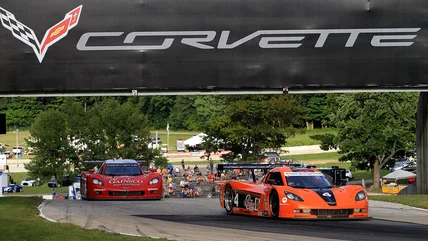
Read MoreA special bridge at one of America's favorite race tracks has become synonymous with the Corvette nameplate, and it's now celebrating 70 years of history.
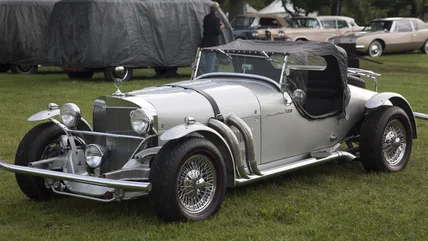
Read MoreStyled around the 1928 Mercedes-Benz SSK, with proportions lowered and widened to fit the Studebaker Lark chassis, the Excalibur really got people talking.
Read MoreIt's not every fish in the sea that can go 68 mph. This one helped the designer of McLaren's P1 hypercar solve a vexing problem of air turbulence.
Read MoreIt turns out 500 horsepower was a key weapon in WWII decades before it became a track standard. Explore the engineering link between the tank and the Mustang.
Read MoreOnce upon a time, an institute in Germany prevailed upon automakers to standardize something crucial about car stereos. Since that era ended, it's been chaos.
Read MoreA few vintage vans had designs that made them seem cute or quirky. You could say that these particular models would fit perfectly as cartoon characters.
Read MoreModern road trips are fun and games compared to the 1920s, when they required serious survival skills, maintenance know-how, and careful planning.
Read MoreDespite the fact that most Land Rover buyers never use their SUV's outstanding off-road capabilities, it refuses to phone-in the development of new off-roaders.
Read More