

GM Fully Believes AI Will Help Make Its Cars Better And Faster
General Motors in really leaning into its new tech or energy company image. Despite a sudden pivot from its EV-intensive product lineup, the Detroit automaker has gone all-in on the tech-side of things, laying off thousands of workers to hire individuals with AI specialization and tech-related experience on their resumes. Now it's putting those investments to work, using AI to help design its vehicles which its new chief product officer says will help make GM's products better, and more quickly.
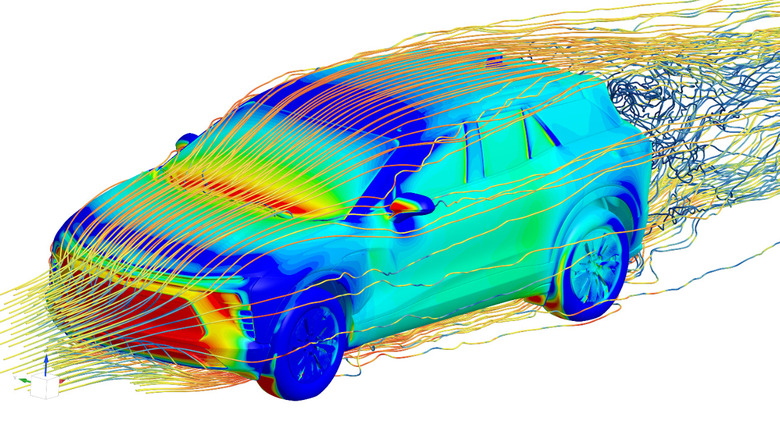
The automaker first touted its AI creative tool back in April, which the company says is made up of design and testing data GM has accumulated over the decades from its myriad of vehicles developed and produced. The new tool or system allows designers and engineers to work within the same platform so that changes made to a vehicle design can be seen in real time by other members who can then adjust their own parts of the design from there. It also integrates some testing data to help with design tweaks, so for instance, AI will look at a change in the body shape and give real-time drag coefficients, pulled from various data to optimize that line. It's work that was once done by real humans creating models, modifying models and putting them in wind tunnels, which is a time consuming process. But don't worry, AI has got it now.
GM is feeding its machine decades of its own data
There can be a case arguing the benefits to utilizing a tool like this. For GM and its potential use of over a century of data, depending on how long ago they've digitized or kept that data for design and testing could be useful to pick through rather than going through archives or searches or doing the math in real time themselves.
The other benefit is that it helps break the circle of bad communication patterns notorious in large corporations by centralizing all of the design work in one place. Things can be updated and addressed in real time avoiding the mistake of someone not getting cc'd or their email getting lost in the trove of emails in their inboxes.
GM has also said that utilizing AI helps with testing models, as the AI can build a model and put it on the road, as well as test it on any road type or conditions with variables like errant moose, deer or squirrels that one might have to quickly maneuver around. Again, it plugged in its own testing data from over the decades into a system that can put the car to the test on its AI-created roads.
This does help cut down on creating physical prototypes and various engines and components, before actual testing at its Milford Proving Grounds in Michigan or Yuma desert proving grounds in Arizona, which is good for reducing material usage and shipping a vehicle all over the country. But one has to question if the AI has the capability to account and test for the unpredictability of actual real-world scenarios, especially as autonomous vehicles (also utilizing AI technology from the world's brightest and best as they tell us) can barely recognize humans, animals, motorcycles and emergency vehicles.
We're gonna make more cars, faster, and better
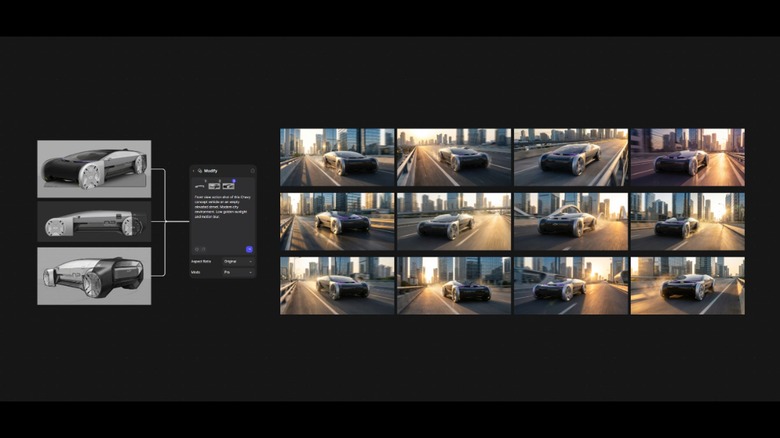
Sterling Anderson, GM's new chief product officer brought on in 2025, told Fast Company that this will help streamline product development from around four to five years to maybe two years. "The next generation of any vehicle is typically better than the last," he said. "And when you can cut that period in between more than in half, you're getting just better vehicles evolutionarily."
And that's just worked so well for automakers already. Ford didn't have to rehire its engineers to retrain its AI software to be better at engineering, and surely has nothing to do with the thousands of vehicles recalled this year alone.
GM may be saving costs up front as finds itself rebuilding its brands after its massive pullback on EVs, but will faster design truly help make it better cars?
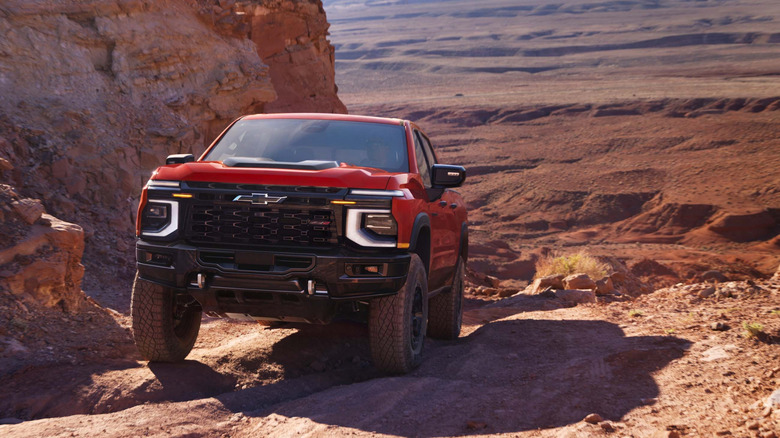
The General's first product to come to market with AI-focused design will be the 2027 Chevrolet Silverado — its V8 engine was put through AI's paces via thousands of combustion chamber simulations, which cut costs in developing prototype engines for each iteration, saving 20% in the process. But it also let engineers hit performance and emissions goals in a third of the time. How does that bode for its actual performance in the real world? Hopefully better than the last iterations that were once the center of a class action lawsuit. But if GM is also working off of that same data... .
Customers deserve products that actually work
Do customers really want new models coming out faster, or do they want vehicles that actually work? The people buying these products don't deserve to spend over $50,000 (the current average cost of a new vehicle) for a fast-made vehicle that spends more time at the dealership than its own driveway because of recalls or lack of fixes to major problems.
We haven't seen what AI design will do for GM yet, but if it does lean toward anything like Ford's outcome, it'd be advisable for the company's leaders to focus on ways to make good cars. "Fixing in post," as we say in the film and photography industries, is merely a joke where the quick-fix is meant to be a last-minute resort, not the way to approach every single thing you create. And everyone has seemingly forgotten that ideology for simply everything when using AI products. Ford found out the hard way and its mistake should be a lesson of caution to the rest of automakers planning on going all-in on an untested and unpredictable supposedly fix-all solution. Maybe it's saving money now, but how much will it cost them later?