

How To Verify A Used Car's VIN Before Buying On Facebook Marketplace
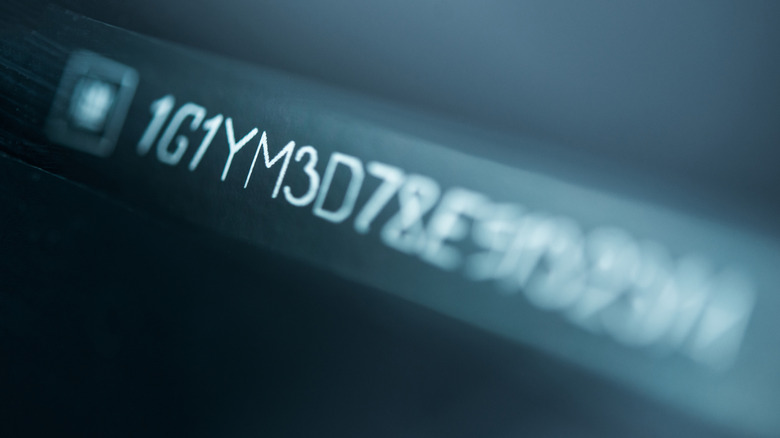
If you're shopping for a car and decide to skip the dealer route, chances are you're starting on Facebook Marketplace. Every day, 3.5 million items are listed for sale on the platform in the United States and Canada. But this approach requires doing some homework, so you know what you're buying. The same can't be said for the people who lost $3 million in a Facebook Marketplace classic car scam.
Before you ever look under a hood, kick a tire, or take a test drive, you'll want to check out the car's basic information. Is it actually a 2014 Ford Mustang GT or just a V6 coupe with some extra badges? Is the model year correct? This starts with having the vehicle identification number (VIN). It's an easy way to confirm a car's details before meeting the seller or spending money on a vehicle history report.
The National Highway Traffic Safety Administration (NHTSA), the National Insurance Crime Bureau (NICB), and several vehicle history report companies offer free tools that can simplify the process. There's also a license plate hack you can use if the VIN isn't available. Here's how to use these resources and what to watch out for.
Verifying the VIN before meeting the seller
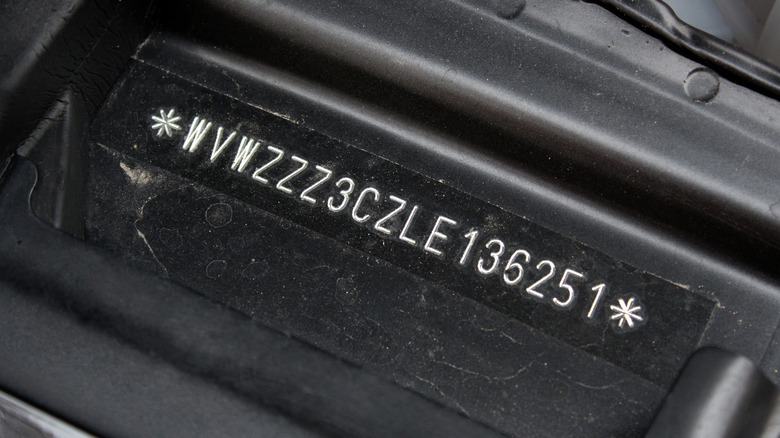
Facebook Marketplace listings are a mixed bag when it comes to displaying VINs. Some sellers show this information; others make you work for it. Always make sure to have the VIN before the meet-up. If the info isn't in the listing, it's best to ask after setting an appointment. If the seller doesn't supply the VIN or the VIN check isn't clean, cancel the meeting.
With the VIN handy, start by using the NHTSA VIN decoder, which provides a breakdown of the car's specifications, such as make, model, year, and body style. The results may also include drivetrain information and other details. One thing to look for is confirmation that the ninth digit — a check digit — in the 17-character VIN is correct. If not, there may be a data-entry error or another issue with the VIN. NHTSA's full VIN lookup can be overwhelming, with up to 140 lines of details. For something more basic, use a VIN decoder tool from outfits like GoodCar or Bumper. NICB, an insurance-industry group, offers a free VIN lookup that checks if the car has a salvage history reported by a member company or has been reported as stolen but not recovered. There are other ways to check if you've bought a stolen car.
You may get lucky and come across a car in a Facebook Marketplace listing with a visible license plate. This creates a backdoor way to acquire the VIN. GoodCar offers a free license plate lookup that generates a report that usually includes the VIN. Other companies have similar resources but may require you to create an account or buy a subscription. Use the VIN to check NHTSA and NICB records.
Use the VIN to spot other red flags
There are other things to review before meeting the seller. You should check if the car has a recall. Safety campaign repairs are usually free, but it's worth verifying with a dealer ahead of time if there are any issues, such as back-ordered parts. You don't want to buy a car only to find that recall repairs are delayed.
It's also a good idea to Google the VIN to look for previous for-sale or auction listings. However, you'll want to verify the search results, as similar but not exact VINs may also appear. If you suspect the car under consideration has a salvage history, you may be able to use the VIN to check Copart or IAAI auction history at autoAstat.
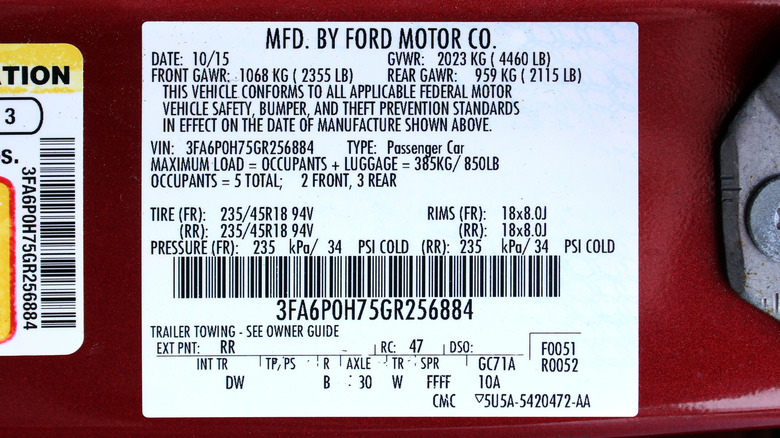
The whole point of VIN verification is simple: weed out questionable vehicles before you spend money on a vehicle history report, waste time meeting the seller, or risk buying the wrong car. But there's another VIN verification step to take if you meet with the seller and see the car. Check that the VIN on the vehicle matches the VIN info you have. Look at the stamped plate on the driver's side of the dashboard (visible through the windshield) or the certification label on the driver's door jamb. Finally, confirm that the VIN on the title certificate matches what's on the car.