

Sean Duffy Wants $10 Billion For AI Air Traffic Control Software
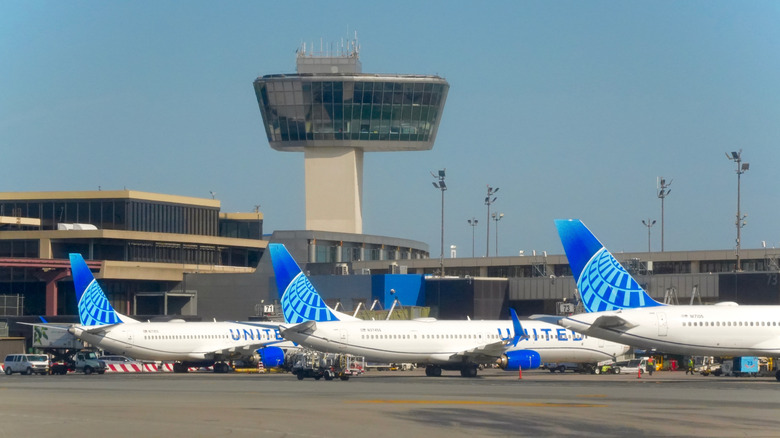
With Newark-Liberty International Airport suffering a 90-second radar and communications blackout last year, it became clear that equipment at many air traffic control facilities was desperately in need of replacement. Transportation Secretary Sean Duffy announced on Tuesday that he's asking Congress for an additional $10 billion to modernize the country's air traffic control infrastructure, lowering his initial $19 billion demand. However, most of the new sum would be used to develop AI-powered software.
Duffy envisions this hypothetical software as a way to reschedule flights without human intervention, better distributing the workload for air traffic controllers and preventing delays. He noted that the FAA can see airline schedules 45 days in advance that well above ATC capacity. The example immediately raised the question of how much of a controller's workload could be automated. Could AI replace humans in the tower, especially when most facilities are understaffed? Duffy told CBS News:
"AI is a tool, but we do not replace humans in how we manage the airspace. Am I gonna replace a controller and have AI manage the airspace? The answer to that is hell no, that's not gonna happen."
Aging infrastructure is only one part of the issue with air traffic control
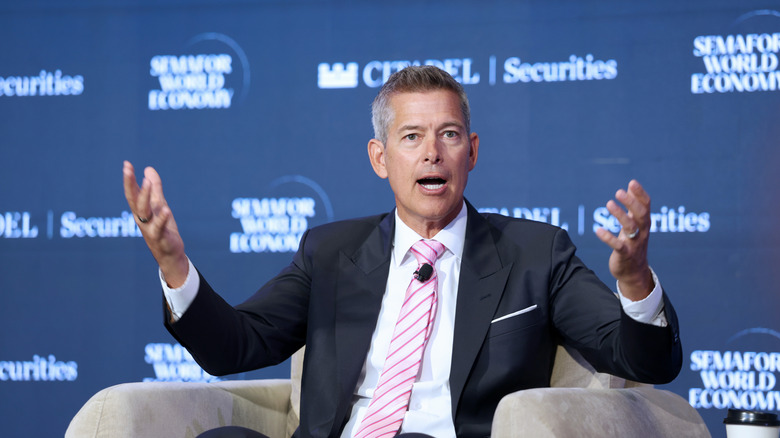
The Department of Transportation's "Brand New Air Traffic Control System" project was initially allocated $12.5 billion through President Trump's "Big, Beautiful Bill." Admittedly, the agency has done a lot with that money. Nearly 50% of the aging copper wiring at air traffic control facilities has been replaced. Approximately 270 radio sites have been upgraded. Surface awareness systems were installed at 54 airports. However, incidents are still happening at major airports because of a lack of well-trained humans behind the screens.
While having a functioning workplace matters, there still needs to be controllers to safely manage airspace. During the fatal crash at LaGuardia Airport last month, there was only one controller in the tower to monitor both the runway and ground traffic. When Air Canada Express Flight 8646 was landing, the controller was managing an emergency on the ground with a United Airlines plane. The fire truck that the plane collided with had responded to the United plane. The tragedy could've been averted if there had been more people working that night to adequately handle the chaotic situation.