

Here's How Much Your Insurance Goes Up When You Get A Speeding Ticket

A speeding ticket never feels great to begin with, but the fallout lasts a great deal longer than that uncomfortable stop on the side of the road. Once the ticket shows up on your driving record, insurers reassess your risk — and the numbers show just how costly that reassessment can be.
Nationwide analyses place the average increase at around 26%, according to Forbes, which translates to an extra $500 to $600 per year for a single offense. In some states, though, the jump is far more dramatic. For example, Michigan drivers face spikes of up to 54%. In comparison, places like Texas see increases closer to 13%. This gap is driven by state-by-state insurance rules and the ways regulators allow surcharges to be applied.
Premium hikes also vary widely by insurer. State Farm nudges premiums by 12% after a speeding violation, but companies like Mercury and Progressive land at the higher end of the scale, with increases approaching 39% and 29%, respectively. And it isn't just the ticket itself — what you were clocked at makes a huge difference as well. Violations in the 11-to-15-mph-over range routinely push premiums into the mid-20% range, and higher speeds lead to even steeper increases. Interestingly, data also shows that your odds of getting a speeding ticket are much higher if you own a car from a foreign brand.
How long does the impact of a speeding ticket really last?

Although it's unfortunate to face an immediate premium increase from a speeding ticket, the real concern goes far beyond those first few months. Once a speeding ticket shows up on your record, it usually stays there for three to five years, depending on the state you live in. During this period, the ticket on your record can affect how your insurer prices your policy at renewal. This may lead to higher premiums for as long as the ticket remains on your record.
The hike in your premiums isn't just a one-time spike, either. As the number of speeding tickets increases, so does the financial penalty. For drivers with multiple violations, some insurers hike rates by 43% or more after a second speeding ticket, since each new infraction increases the perceived risk of future claims. On the plus side, some insurance companies reduce the surcharge for every year you go without another speeding ticket on your record.
Additionally, some states have their own special system for calculating rate hikes. In Ohio, for example, a speeding ticket generally adds two points to your driving record, and those points eventually translate into higher premiums, starting at 23%. Reach 12 points, and that's grounds for suspending your driving license.
How to manage insurance hikes after a speeding ticket
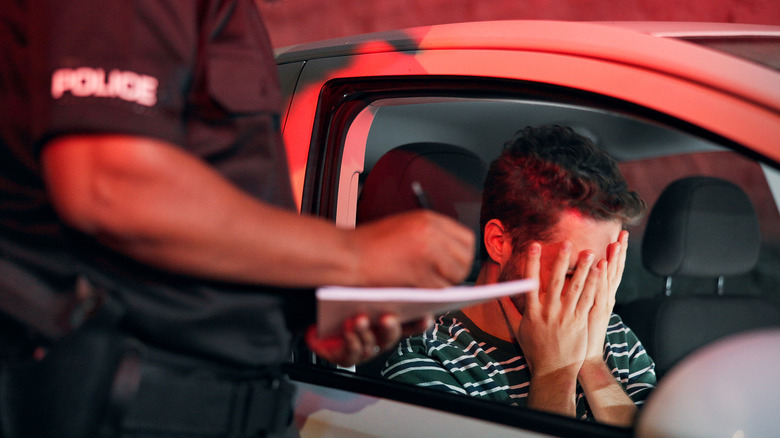
Your go-to plan should be to avoid a traffic ticket in the first place. But if you've already received one, there are several things you can do in terms of damage control. One option is to take a state-approved driving course. Completing the course may reduce the points on your driving record in some states or help you avoid a surcharge. Some insurance companies also offer discounts to drivers who show they're committed to improving their skills.
If you haven't had a ticket in a long time and your record is otherwise clean, you might be able to avoid a premium increase altogether, especially if you challenge the ticket. Another way to relieve some of the financial impact is to increase your deductible. Your deductible is what you have to pay out of pocket when you file a claim, so increasing it lowers your monthly insurance payments. Just remember that while this can save you money in the short term, you want to make sure you are comfortable with paying more out of pocket if you ever need to make a claim.
Another approach is to shop around once your premium has increased. Not all insurance companies handle speeding violations the same way, so you may be able to find an insurer that applies a smaller penalty for a first-time violation. You may also get a fresh start with a lower premium by switching insurers.