

Boeing Vs. Airbus Safety: Here's What The U.S. Accident Stats Say
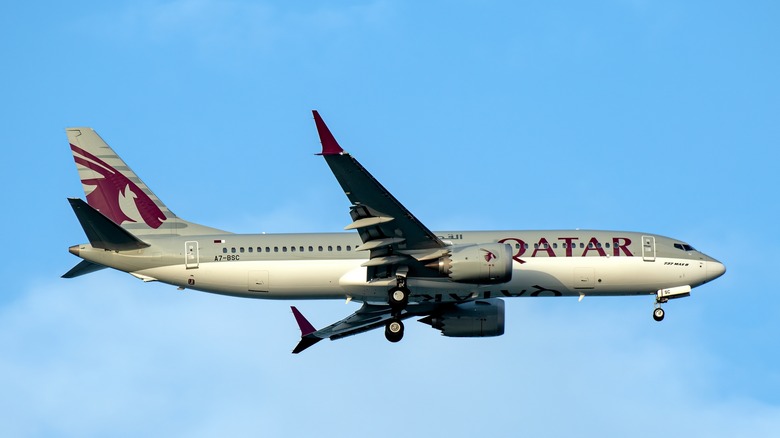
Lately, Boeing has dominated headlines and not for good reasons. After a series of incidents involving the 737 MAX and Dreamliner, public perception of Boeing's safety record has declined. However, if you strip away the emotion and look at raw data, the issue becomes far less dramatic.
Based on an analysis of the U.S. National Transportation Safety Board (NTSB) records, both manufacturers operate at extraordinarily low accident rates. Between 2014 and 2024, only two to six accidents due to mechanical issues in the engine or landing gear were reported each year despite a staggering six million flights operating annually in the United States. Even more importantly, none of these incidents caused accidents that resulted in fatalities.
When adjusted for the number of flights, Boeing and Airbus show nearly identical records though raw counts can make Boeing appear worse simply because far more of its planes fly in U.S. airspace, roughly three times more than Airbus. Still, public skepticism persists. Part of that comes from Boeing's recent quality-control controversies, as problems such as loose bolts, missing fasteners, and poorly fitted door plugs have been traced to weak oversight at Boeing's own factories and at key suppliers like Spirit AeroSystems. However, another part of it is a statistical illusion.
Why does Boeing's safety record appear worse than Airbus's
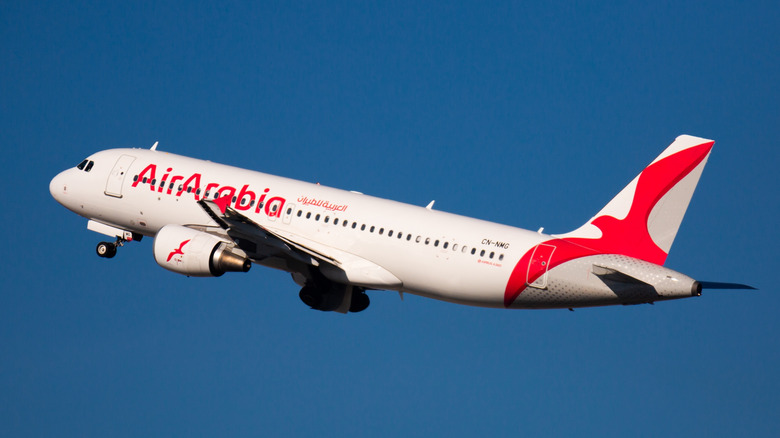
The perception that Boeing racks up more incidents than Airbus can be traced back to the high profile crashes that happened with the 737 MAX. This perception can be worsened by agencies using incomplete information. For example, a chart that made its rounds on social media sites like LinkedIn drew information from the U.S. National Transportation Safety Board's public database and put together every aircraft with Boeing listed as its manufacturer. However, this included World War II bombers, vintage trainers, and cargo jets from the 1930s and '40s, all of which haven't carried passengers for decades.
Even within commercial aviation, the data wasn't balanced. Because the NTSB is a U.S. agency, it receives far more detailed reports about Boeing aircraft, while Airbus incidents overseas are often logged by European regulators and never appear in the same database. The result is a lopsided picture that makes one company look worse simply due to where the accidents occurred and who investigated them.
Online, that imbalance spreads fast where search trends and booking platforms even show spikes in users filtering out Boeing aircraft after major stories. Experts warn that this kind of availability bias, when people judge danger based on what they see most often in the news, makes rare events feel common.
Once obsolete aircraft, military jets, cargo carriers, and charter flights were removed, the numbers changed dramatically: Boeing's valid incidents dropped from nearly 1,000 to about 165, and Airbus's to around 80. When these were weighted by the number of flights, analysts found no measurable difference in aircraft-related safety rates between the two manufacturers.
What the data actually shows
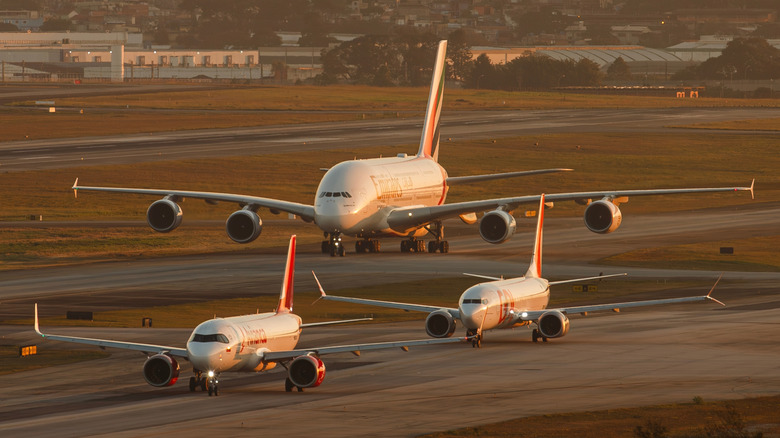
When you stop relying solely on headlines and look at verified U.S. data, the takeaway is surprisingly calm. From 2005 to 2024, both Airbus and Boeing have cut accident rates to historic lows. Across the same period, fatal hull-losses averaged around just one to two per year per manufacturer.
The vast majority of the events that did occur weren't mechanical failures. Analysts who combed through years of NTSB records found that roughly 80% of all incidents were traced to human or environmental factors like turbulence, pilot errors, or even minor cabin injuries caused by things like spilled coffee. True aircraft-related issues, things actually tied to the plane's design or systems, made up less than the remaining 20% of the actual incidents, and almost none involved manufacturing defects.
In fact, when maintenance-related cases are filtered out, both Boeing and Airbus incur around 0.39 and 0.38 true aircraft-related incidents per million departures, respectively. Statistically, that's as close to zero as you can expect issues with man-made things to get.
The reality: flying has never been safer

Modern aviation is operating at its safest point in history and it's interesting how flying has become the safest way to travel. According to the International Air Transport Association (IATA), 2023 saw just one major accident for every 1.26 million flights, and this is a record-low rate. MIT research puts the global death risk at roughly one in 13.7 million boardings, meaning you're far more likely to be struck by lightning or give birth to quadruplets than die in a plane crash.
As Anthony Brickhouse, professor of aviation safety at Embry-Riddle Aeronautical University, explained to CNN, "If you look at the numbers, you're more at risk to have an accident driving to the airport than you are flying at 38,000 feet." And even though small jets keep crashing, they're still safer than driving. Safety analyst and editor-in-chief of Airline Ratings, Geoffrey Thomas, also reassured CNN that flying gets safer every year. Both Boeing and Airbus learn from every incident and make active efforts to ensure it doesn't happen again.
In other words, while perception may fluctuate with headlines, the numbers and raw data never do. Whether your next flight is on a Boeing 737 or an Airbus A320, statistically, you're boarding one of the safest machines ever built.