

Do Car Buyers Still Pay Destination Charges If They Live Near The Factory?
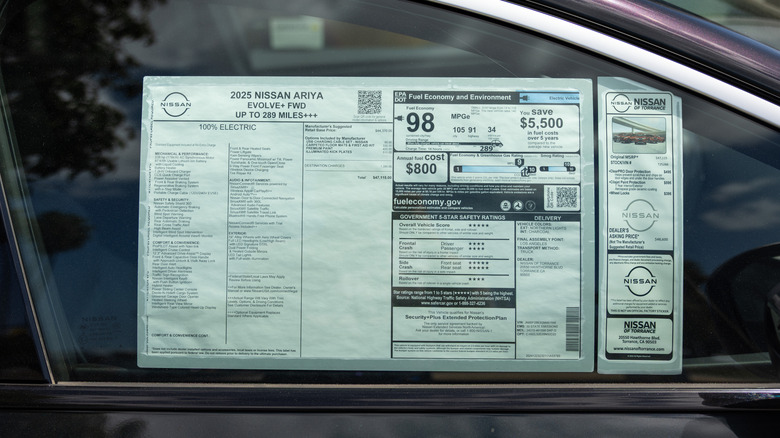
All new vehicles sold in the U.S. have been legally required to have a Monroney sticker since 1958. This window sticker contains information about the particular vehicle, including its engine type, drivetrain, transmission, factory-installed options, warranty coverage, EPA fuel economy ratings, and the Manufacturer's Suggested Retail Price (MSRP) (which buyers are no longer willing to exceed).
Below the subtotal for the MSRP and optional extras is the destination and delivery fee, also referred to as the destination charge or destination fee. It covers the expenses of transporting the new car from the factory or port to the dealership. The amount varies by the car's size and weight, but large SUVs and pickup trucks generally have costlier destination fees than small, compact sedans. High-performance sports cars or luxury sedans that demand special care and handling during transport can also demand higher destination fees.
Given that destination charges have risen faster than inflation and new car prices are the highest they've ever been, it raises the question: Do new car buyers still need to pay the destination fee if, for instance, they live a stone's throw away from the factory?
Unfortunately, the answer is yes, since destination fees are mandatory, non-negotiable, and non-waivable. What this means is that you'll have better luck of lowering the sticker price by negotiating for incentives, discounts, freebies, or comparing the MSRP with the dealer cost instead of aiming your guns at lowering, slashing, or removing the destination charge.
How auomakers come up with the destination charge
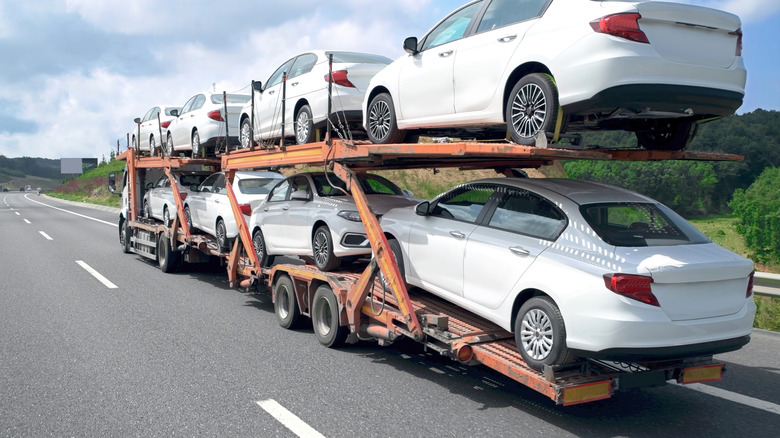
Destination charges are among the legitimate dealer fees like sales taxes, documentation, and registration. The sales tax and registration fees are somewhat transparent, but how do automakers come up with the destination fee? It's rather simple, actually. All the manufacturer has to do is calculate the total cost of shipping all the vehicles on the assembly line and determine the average to "equalize" the cost, so the fee is the same for all buyers, regardless of whether they live near or far away from the factory.
Destination charges vary by manufacturer, but there's advocacy for carmakers to be more transparent on how they come up with the figures, especially now that the fees have gone through the roof. For instance, destination charges for Stellantis brands like Dodge, Chrysler, and Jeep climbed 90% on average between 2011 and 2023, according to Consumer Reports, with some other brands following similar formulas.
Spokespersons for General Motors and Ford attribute rising delivery costs to the growing sales numbers of larger pickup trucks and SUVs. The logic is that larger vehicles take up more space in a carrier or railroad car, which means you can transport fewer on every journey. This does make sense when there's a high demand for shipping and a shortage of skilled drivers.
However, it doesn't explain why some import and American brands like Lexus, BMW, Mercedes-Benz, and Lincoln managed to increase their delivery fees by under 20%, so what gives, Stellantis? Some see the destination charge as a cash cow for automakers — but it remains a necessary cost when purchasing a new car.