

How To Stop Sludge From Clogging Your Car's Radiator
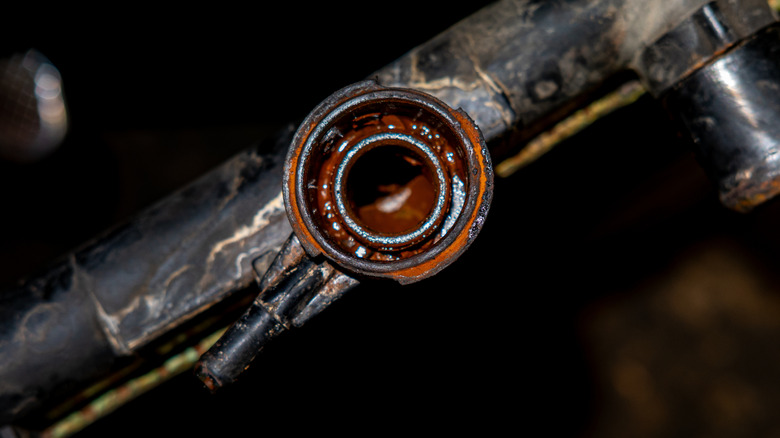
The oil inside your car's engine can sludge up with neglect and infrequent oil changes. Sludge is a nasty contaminant that can destroy an engine if not given attention, but timely oil changes are a surefire way to prevent sludge formation. It's best to check your owner's manual for the exact timing, but generally, you should change the oil before 5,000 miles or one year. Your engine's cooling system isn't immune to sludge build-up, either. Coolant circulates in and around the motor and radiator to keep everything cool, gathering rust, corrosion, and combustion byproducts in the process.
Despite some coolants having "long life" badges on the bottle, the fluid will eventually break down through heat cycling. Like the engine oil, it requires draining and refilling every once in a while. If you never change your coolant, it will turn into sludge with an ugly shade of murky brown, which is nothing but bad news for your car's engine.
Lubrication is one of the coolant's main jobs for the cooling system, and it does this using a blend of ethylene or propylene glycol and some additives. Over time, the additives will break down, eventually turning into a slimy, sludgy mess through corrosion or oil contamination. Combined with neglect and a lack of periodic coolant changes, sludge will begin clogging up the radiator, and that's when the real problems begin.
Changing the coolant frequently will help combat the formation of radiator sludge, but how often should you change it? Older cars might need coolant changes every 60,000 miles or two years, while newer vehicles and SUVs could have coolant change intervals every 100,000 miles or five years. Again, check your owner's manual to be doubly sure.
Sludge causes overheating, and that's not good
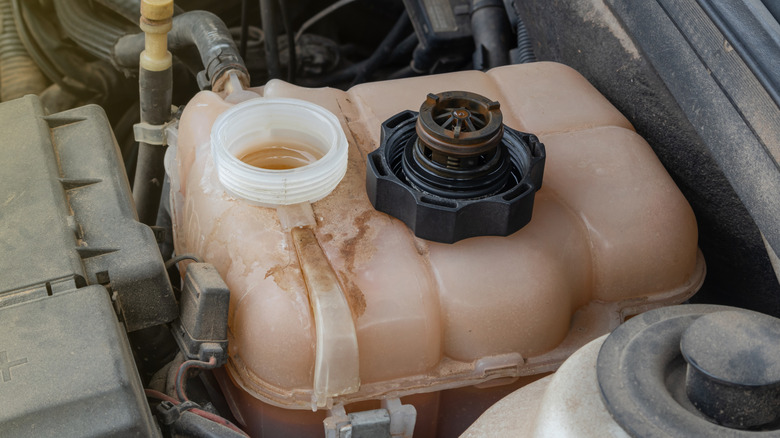
Intense overheating is a death sentence for any engine. Although an overheating motor can be blamed on blown hoses, a faulty thermostat gauge, or a leaky head gasket, you may be surprised to know that about 40% of engine failures are from cooling system problems and radiator sludge. Instead of cooling and lubricating parts like the thermostat, cylinder head, water pump, and engine block, sludge will restrict the coolant's flow inside the radiator and heater core, leaving the entire system sweating.
Sludge is inevitable if you own an older or neglected car. Moreover, radiator sludge might indicate some deeper problems with the engine, so be mindful if the coolant turns brown before the recommended flushing intervals. Luckily, preventing sludge formation does not require spending extra cash on additives or magic liquids. Timely coolant changes will keep everything nice and well-lubricated, but what coolant you use is just as important as changing it every 60,000 miles or so.
Using the right coolant prevents sludge
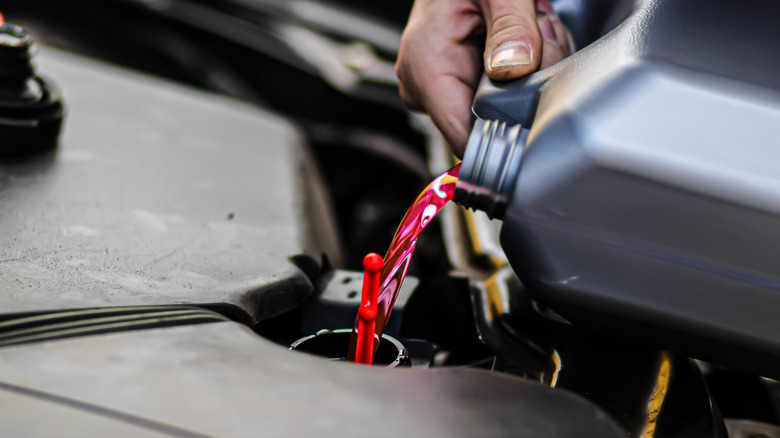
Just like how putting the wrong oil in an engine may lead to premature engine wear and sludge formation, the same rule applies to coolants. For instance, newer cars could succumb to radiator sludge if they use old-school coolant with inorganic acid, which phosphates, silicates, and nitrates that wear down quickly.
On the flipside, older or vintage models could get premature wear and tear on engine seals and gaskets if the radiator is filled with coolants using organic or hybrid organic acid. Moreover, mixing different types of coolant could do more harm than good, causing the degraded additives to create more sludge in the radiator, reservoir, and coolant hoses. However, there are times when using the right coolant can get your engine in trouble, such as with the GM Dex-Cool orange coolant that prematurely broke down for multiple drivers, turning into a gooey, sticky mess.
As usual, your vehicle's manual has everything you need to know about when to flush the coolant, what type of coolant is best for the engine, and other important details. Since radiator fluid comes in as many colors as the rainbow, stick with the one described in the owner's manual and note whether your vehicle needs inorganic, organic, or hybrid organic coolant. Keep in mind that an open bottle of coolant lasts for around three to five years, but it's better to opt for fresh coolant. You probably won't be changing it more than once or twice every 100,000 miles, anyway.