

3 Of The Most Reliable German Car Brands, According To Consumer Reports

Consumer Reports releases an annual list of car brands, rating them on several fronts. However, among the scores to keep an eye on, reliability is one of the more significant evaluation categories. CR's reliability rankings for new and used vehicles are even featured by automakers trying to convince customers of their dependability. In addition, there is also a "Predicted Reliability" rating, which is indicated through one of five symbols representing "Poor, Fair, Good, Very Good, and Excellent."
The data behind these scores is derived through extensive owner surveys, which provide Consumer Reports with hundreds of thousands of responses. Essentially, members are asked to detail any issues they've had over the last year with their vehicles, how serious they would rank them, and if the problems were covered by warranty. While they might not be perfect, these yearly reports do offer some helpful insights that can aid potential buyers in making a more informed decision.
Germany has a rich heritage of automobile history and offers several of today's most high-profile premium and luxury models. Your favorite German cars likely represent a wide range of different eras. However, with data from Kelly Blue Book revealing a record high average of $50,000 for new vehicles, it's crucial to identify which brands offer the most longevity and fewest number of problems. In this case, it's going to be BMW, Porsche, and Audi, with those automakers capturing the best overall brand rankings — all placing in the top six.
Best overall: BMW
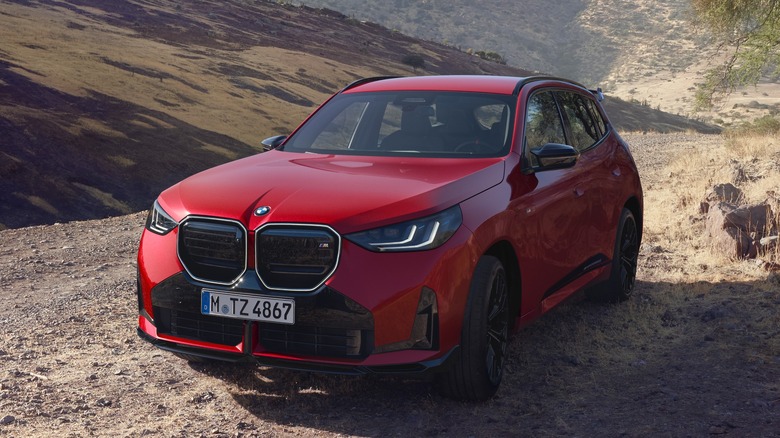
BMW is widely admired among automotive fans for its cutting-edge technology, performance, and growing EV offerings. According to BMW, in the third quarter of 2025, the best-selling model in North America was the X3 with 20,980 units sold. The new fourth-generation BMW X3 is the weirdest-looking one yet, but it's also packed full of tech and powered by a hybrid system. Fortunately, among German brands, BMW achieves the best scores with an overall position of 2nd. However, in terms of reliability specifically, Consumer Reports places it 8th for new models, and 12th for used car reliability.
Within the "Predicted Reliability" category, Consumer Reports utilizes the most current data, and averages the scores from the previous three years — as long as no major model overhaul has taken place for the newest iteration. BMW received a "good" score, indicating that while newer vehicles aren't expected to improve their reliability much over previous years, the automaker is remaining consistent, and owners are unlikely to face many problems.
However, one area where BMW didn't rank well was in maintenance and repair costs, placing 23rd. This isn't surprising, as luxury vehicles are typically more expensive to keep running. Those looking for used BMWs should investigate warranty options or set aside some additional funds for a mechanic, just in case.
Middle of the road: Porsche
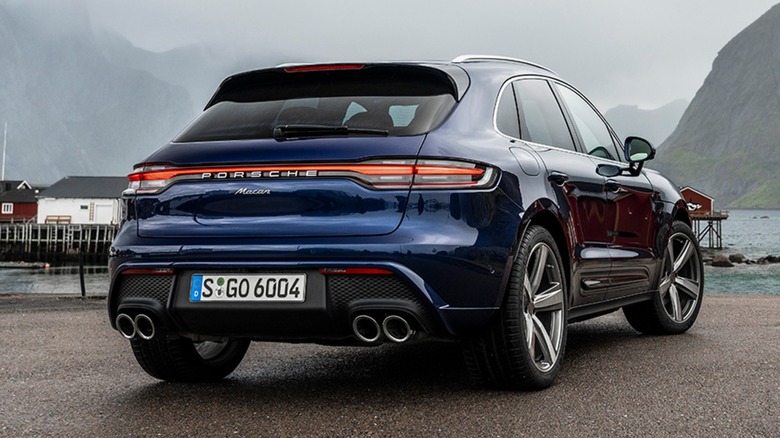
While famous for its performance sports cars, the variety of models and expansion into other vehicle genres like SUVs over the past few decades, has widened the automakers appeal. The most popular model from Porsche as of late, is the Macan compact SUV, with sales jumping 15% from previous quarters, according to Porsche.
Unfortunately, Consumer Reports doesn't offer rankings for either new or used car reliability across Porsche's lineup. It did grab the number 4 slot for the overall category, with a "good" rating in general for its estimated reliability going forward. The 2025 Macan, Cayenne, 718 Boxster, and Taycan EV were all tested by the customer advocacy organization. The results showcased the highest predicted reliability coming from the Macan (gasoline engine version), while the other models featured an average score amongst their peers.
Similar to BMW, the monetary requirements of upkeep for Porsche puts it in 27th place for maintenance and repair costs, ever worse than BMW. From the handful of models Consumer Reports has tested, Porsche doesn't offer owners many issues. But when it does, those issues can get expensive.
Best in new reliability: Audi
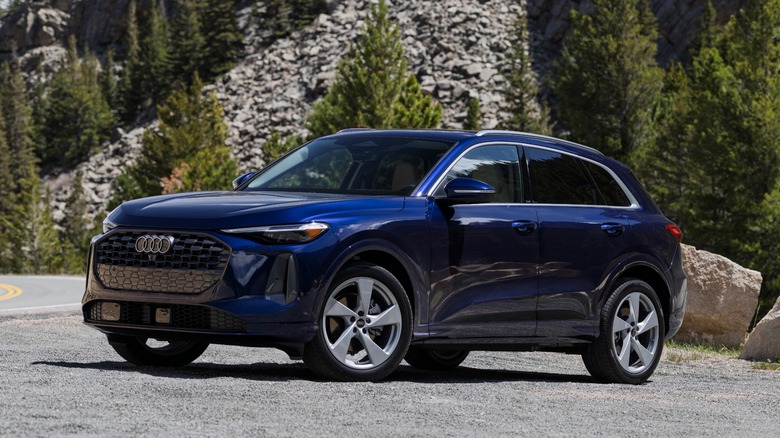
With its emphasis on sporty models, premium construction, and forward-thinking design, Audi remains a popular choice with discerning drivers. The Q5 was handily a favorite among buyers in early 2025, further solidifying the familiar pattern of drivers choosing SUVs over other options. We were able to get some time behind the wheel with the 2025 Audi Q5, and we were pleasantly surprised that the automaker hasn't chosen to mess with a good thing.
Coming in 6th overall, Audi scored the best in terms of new car reliability with a ranking of 7, outperforming BMW's position. However, Audi didn't do as well with its used reliability, which Consumer Reports puts at 14th.
Regarding maintenance expenses, this automaker falls right in between BMW and Porsche, sitting at 25th place. Again, this likely won't be a shock to those familiar with the brand. Its luxury features are present across all models and trims, raising the cost of repairs. While its new models are recommended, Consumer Reports doesn't advise selecting used Audis due to the potential of wallet-crushing fix-it bills.