

Here's How To Check If Your Car Has A Recall
There's no escaping that recalls are part of automobile ownership today — almost 30 million vehicles were affected in 2024. And 2025 has continued the trend, with a particularly bad year for Ford. So far, the Blue Oval has been hit with 134 safety recalls this year, according to the National Highway Traffic Safety Administration (NHTSA). Ford's record-setting statistic isn't something you'll find being touted in the company's press releases, but NHTSA records show that the automaker's troubles cover numerous areas, especially the electrical system, back-over prevention, and power trains.
Ford isn't alone; it's just that no other manufacturer has yet crossed into triple-digit territory in 2025. Second-place honors go to Chrysler with 44 recalls, followed by RV manufacturer Forest River with 36. Compared to Ford, other automakers are doing quite well. General Motors, Volkswagen, BMW, Honda, Mercedes, and Hyundai have yet to reach the two-dozen recall threshold. NHTSA publishes a continuously updated chart of recalls by manufacturer; it's worth a look if you're curious.
Recall announcements can be easy to overlook because they're so frequent, but you shouldn't ignore them. Every recall involves a potentially serious safety risk flagged by the federal government, and repairs are free. Waiting for an official notification, typically sent by mail within 60 days after the recall announcement, could leave you uninformed if you've moved recently or aren't the original owner. Staying on top of potential recalls is easy, however, through online tools offered by NHTSA and the automakers. We'll walk you through what's involved.
Step 1: Verify with NHTSA's VIN tool
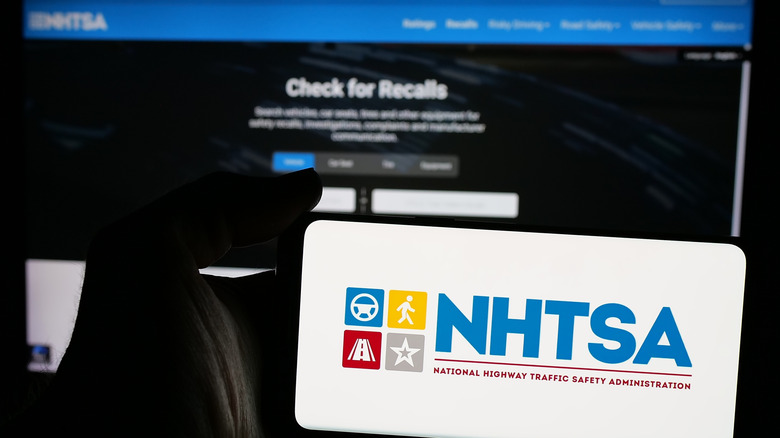
NHTSA administers all auto recalls in the United States, so the agency's website is the logical place to start. General recall announcements will appear at NHTSA.gov/search-safety-issues before the manufacturer mails notifications.
NHTSA.gov/recalls offers a tool to use a vehicle identification number (VIN) to check on a specific car. Enter the VIN to learn if there are any open recalls. You'll receive a "0 unrepaired recalls associated with this VIN" message if there are no active safety campaigns. Alternatively, you can use license plate information, but the results may be inaccurate if you've recently transferred the plates to a different car. The 17-character VIN is located on the dashboard (near where the windshield and dash meet), on the driver's door (or door jamb), or on the vehicle registration.
Given that almost 60 million cars in the U.S. have unresolved recalls, you might be curious about other vehicles subject to safety campaigns. The same NHTSA tool can search by year, make, and model, providing information about investigations, consumer complaints, and manufacturer notices. It's a helpful resource for used-car shopping.
Step 2: Check with the manufacturer

With NHTSA launching hundreds of vehicle recall campaigns annually since 2002, automakers have become adept at managing recalls. All major automakers, including Ford, General Motors, and Toyota, have online recall portals for consumers. Enter the VIN to look up recall information and determine whether your car has been affected. Checking recalls with the manufacturer can provide specifics about the repair process and timeline, information not available through NHTSA.
For example, Ford's portal notes that a permanent fix for a recent recall affecting newer Bronco Sport and Escape SUVs with a possible cracked fuel injector is on standby, as "a hardware replacement remedy for this issue is currently under development." Checking the Hyundai site for a recall involving the seat belt in the first-generation Palisade also shows a similar status: "Incomplete. Remedy not yet available." So just because NHTSA says there's a recall doesn't mean the automaker is ready to make repairs.
A manufacturer's recall website may also provide additional details and resources, such as dealer contact information and appointment scheduling. Remember, NHTSA regulations require that recalled vehicles up to 15 years old are eligible for free repairs.