

These Two Companies Offer Diesel Airplane Engines, Here's Why
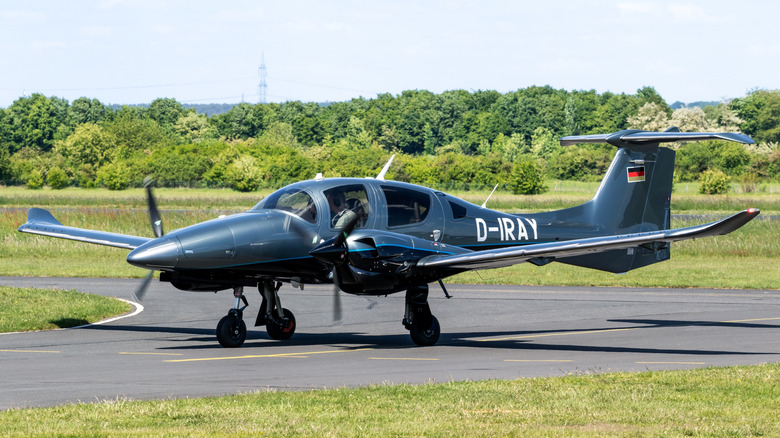
Despite the original diesel fiasco in the 2010s — and the five automakers facing their own Dieselgate trial in the U.K. this year — diesel engines have definite benefits over their gasoline-powered counterparts. As a result, they're still in high demand for applications like long-distance trucking, cruise ships, trains, and heavy equipment. And while it may surprise some folks here in the United States, the efficiency and low cost of ownership associated with diesel engines can make them a great choice in the air, as well.
That's particularly the case in many parts of the world where the supply of aviation-grade gasoline is either limited or non-existent. The situation drives up the cost of avgas, making gas-powered piston-engine airplanes a tough sell. Just to be clear, though, diesel airplanes don't solve the problem by using diesel fuel. They run on the much more commonly used Jet A fuel, or a variant of it.
Remember, diesel engines are named after their inventor, Rudolf Diesel, not their fuel. The defining characteristic of his motors is that they rely on compression for ignition, not spark plugs. The chemical composition of Jet A, which is based on kerosene, is compatible with that process. Today, at least one company — Piper Aircraft — is trying to expand its reach in the U.S. Meanwhile, Diamond Aircraft has been doing the same in Europe since 2002. The diesel revolution has been a long time coming, too, since the first airplane with a diesel engine took flight back in 1928.
Diamond delivers a diesel breakthrough in Europe
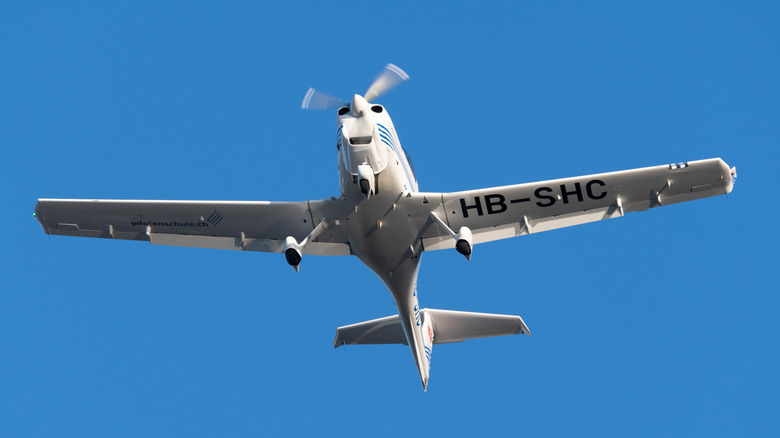
There had been some diesel airplanes after 1928, of course. Diesel engines were used in a few Nazi warplanes, for instance, leading to one of the strangest engines ever built. But overall, they lost out to the improved performance of gas and jet engines in the years that followed — when avgas seemed plentiful enough and people weren't as worried about its lead content. But as time went by and the demand for avgas continued to outstrip the supply in Europe, companies began rethinking diesel aviation technology. That included Germany's Thielert Engines, which developed one of the first diesel engines certified for European aviation applications.
Thielert's Centurion 1.7 — capable of running on diesel or lead-free Jet A — was chosen by Diamond Aircraft for its innovative DA40 TDI Diamond Star, the first mass-produced General Aviation airplane certified in Europe. The turbodiesel showcased lower fuel consumption while operating on cheaper, more readily available jet fuel
Another important innovation for Diamond was the development of its own diesel engines to replace the Thielert mills that had proven to be problematic in the real world, leading to the company's bankruptcy and eventual ownership by China's AVIC International. Diamond's Austro Engines was founded in 2007 and now powers Diamond Aircraft like the DA50 RG, which achieved a major milestone by earning Transport Canada certification this year.
Piper pushes diesel airplanes in the US
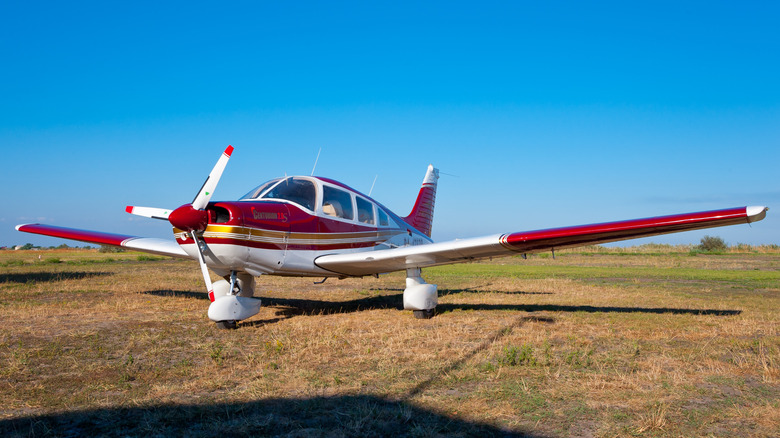
Founded in 1937, Piper Aircraft rose to prominence during World War II when its single-engine propeller plane — the Piper Cub — became popular with the armed services as everything from a supply plane to an air ambulance to a trainer for new pilots. And that's despite the fact that at least one Porsche 911 can drive higher than the Piper Cub can fly.
Flash forward to 2014, and we find Piper introducing the Archer DX, its first aircraft to feature a diesel engine. The Archer DX was specifically developed to deal with the avgas situation outside of the states, but its success led the way to Piper's current U.S.-focused efforts: the Piper Seminole DX was announced this summer packing a pair of liquid-cooled four-cylinder turbodiesel engines manufactured by DeltaHawk, with Piper nailing down its first U.S. order just a few months later.
Those first takers were at the Skyborne Airline Academy, which will use the planes as trainers to take advantage of their diesel-derived benefits. Per Piper, the DeltaHawk engines deliver a 35% improvement in fuel efficiency over the previous gas-powered Seminole while also enabling a 32% quicker single-engine climb rate and a 70% higher single-engine ceiling. In addition, since diesel engines don't need components like spark plugs or magnetos to initiate combustion, they have fewer moving parts to lower maintenance and repair costs, and their liquid cooling further reduces the risk of overheating.