

Aftermarket Self-Driving Systems Are A Menace To Your Safety
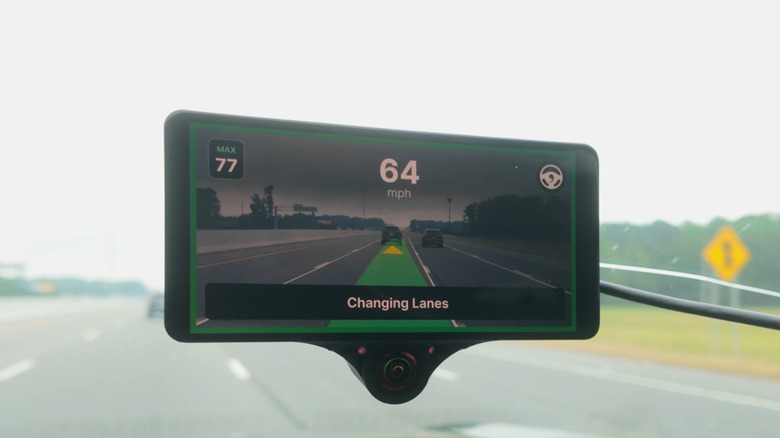
Aftermarket advanced drive assistance system have been making some noise for a while now. It could be a hacker turned CEO driving around with CNET, a couple running a Prius cross-country hardly ever touching the steering wheel, or any of the dozens of reviews on Youtube.
But let's be clear: this isn't true self-driving. Not even close. What we're talking about are SAE Level 2 systems. You in the driver's seat are responsible, morally and legally. Your hands and feet need to be ready, your eyes need to be on the road. End of story.
This is where the whole thing starts to get a bit sideways. These types of devices have found a regulatory gray-area, leaving potential legal and financial liability to their customers in the wake of it all. As usual, it's a bit more complicated than it seems on the surface. Like Icarus, the closer to the sun you get, the more it starts to fall apart — let's dig in.
You wouldn't hotwire your brakes, would you?
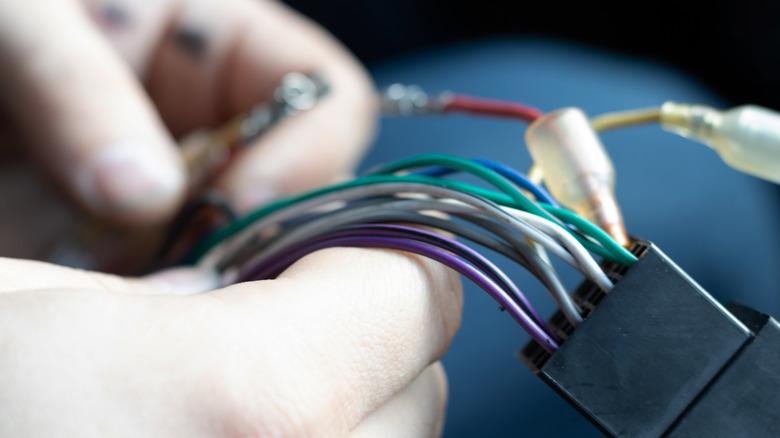
These systems work by mounting a box with cameras and a screen to your windshield via the almighty sticky tape. Then through a bit of wiring (the severity depending on the car,) the device dives into your car's central nervous system — the CAN bus. The device listens to the car's sensors, factors in its own windshield cameras, then shouts at your car's computer — spoofing commands to your steering, throttle, and brakes.
I don't imagine these products are typical of car enthusiasts. It's probably the same person who asked you what car to buy, and bought a Wrangler anyway. But hey, there's Youtube videos for people to follow along with — what can go wrong?
If that is a risk you are willing to take — let's talk tech. Given the immense task of, you know, driving, we must be using cutting edge tech. Not exactly — the most popular device on the market uses the same processor used in a Samsung Galaxy S9 released in 2018. Aging tech that is only getting older. Worse yet, this aftermarket brain is being asked to work with whatever hardware your car already has. One-size-fits-all now applies to steering systems, apparently.
An OEM designs its lane-keeping system to work perfectly with the exact camera and radar sensors it installed. These aftermarket systems are throwing their software at hundreds of different cars with thousands of combinations of sensors. It's an uncontrolled science experiment with variables galore.
The trust me bro school of automotive safety
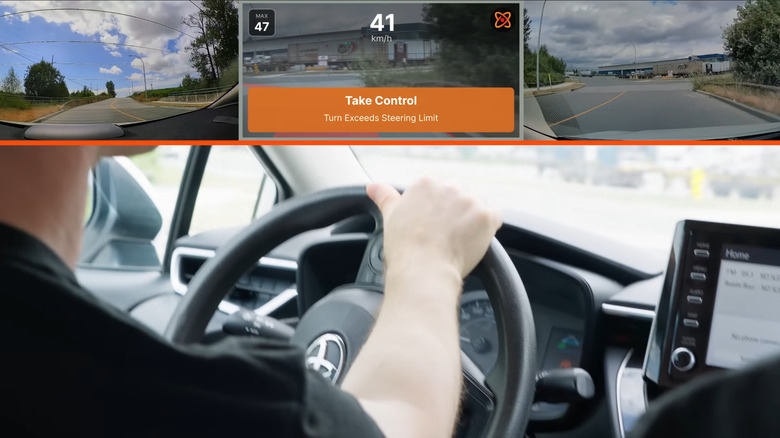
When a car company develops a feature like this, they are governed by safety standards such as ISO 26262. Essentially, it's a stringent series of checks, tests, guidelines, and a whole lot of pages for automakers to follow to even consider certifying a system. The aftermarket? They can say things like we "observe the guidelines." That is lawyer talk for when you want credit for doing the work without actually being held accountable for it. Instead of a proving ground, their test roads are literally everywhere. And their test subjects are you. Every mile driven, every close call, every weird glitch on a public road, with families in the Sienna in the right lane.
Some users on Reddit detail collisions with the system active — some admitting to law enforcement the use of the aftermarket hardware, others only mentioning it under the anonymity of a username. Imagine filing your insurance claim against your own policy for a collision in a no-fault state like New York, caused by someone who thought it was clever mount a few cameras to their windshield and see what happens. It's fine to make bad decisions, we all do, but don't make bad decisions for innocent people as well. Some of those users on Reddit that mention accidents using the an aftermarket ADAS detail denied insurance claims, and in one case an insurer refusing to cover the driver further. Don't say we didn't warn you.
The upgrade that could cost everything

Back in 2016, NHTSA asked one of the larger players in the space, Comma, to prove their first product was safe. The response was to cancel the product. Not a great sign. They then re-framed their system not as a consumer part, but as research software. That legal sleight of hand is now your problem, bucko.
Now to the Terms of Service and you'll find two little landmines.
First, the all-caps warning: "THIS IS ALPHA QUALITY SOFTWARE FOR RESEARCH PURPOSES ONLY. THIS IS NOT A PRODUCT." If the world was Monopoly, this is a get out of jail free card. When something goes wrong, they won't be the manufacturer of a faulty car part, they'll be the providers of a research tool you were using improperly.
Then comes the suplex, the indemnification clause. This bit of legalese says that if someone gets hurt in a crash and sues Comma, you agree to pay for their lawyers and any money a court orders them to pay.
To be fair, any Level 2 system the driver of the vehicle is liable. So why bring it up? Because all the OEMs are held to and tested against a litany of standards before they are put into the hands of a consumer. A quick search of "Tesla Autopilot crash" will yield a slew of articles — it can happen to any system, and it should still be a big deal when it does. But why are aftermarket systems claiming to do the same not held to the same standards?
It's time for the adults to step in
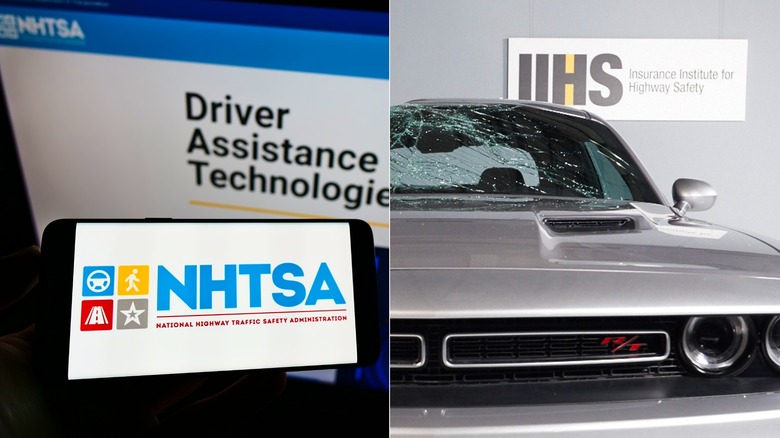
We asked the adults in the room, and these are their statements on the topic:
The National Highway Traffic Safety Administration told us they are "subject to NHTSA's defect authority" and that any company must recall equipment that poses an "unreasonable risk to safety". Great, but, the Make Inoperative provision — a rule that stops an entity from messing with your safety systems — has a caveat: "it does not apply to individuals". That's the loophole. The front door is locked, but the garage is wide open.
The Insurance Institute for Highway Safety (IIHS) was quick to point out that these are "driver convenience systems" and not "safety systems". They also told us they have "no plans to evaluate any aftermarket system" that takes active control. They did test lesser, warning-only systems and found they "performed much worse" than the factory ones.
Surely SEMA, the aftermarket lobby, has a plan? They're all for the "right to modify," naturally. But when we asked about safety validation: "there are no industry self-regulation or safety validation guidelines/practices that can be referenced". And when we asked about that "research tool" legalese, it was mentioned it is always important for "clear communication".
We reached out to Comma.ai via their support email as listed on their terms and policy page. That email got a bounce back saying that Comma support does not read or reply to emails, and urged to file a ticket, in which none of the available ticket options were for questions or inquiries.
So let's recap. We have a "convenience system" that the IIHS won't test, that SEMA says has zero safety standards currently, and that NHTSA could recall but lets slide through a loophole.
Look, innovation is cool. David vs. Goliath is a great story, and looking at an aftermarket ADAS system holistically, it is genuinely impressive what is possible. But this isn't a new app for ordering tacos — it's alpha code, running on an old phone, that's spoofing commands to the steering rack of a multiple-thousand-pound vehicle. And it's doing it on public roads, right next to your family.