

How To Stop Brake Dust From Clinging To Your Rims
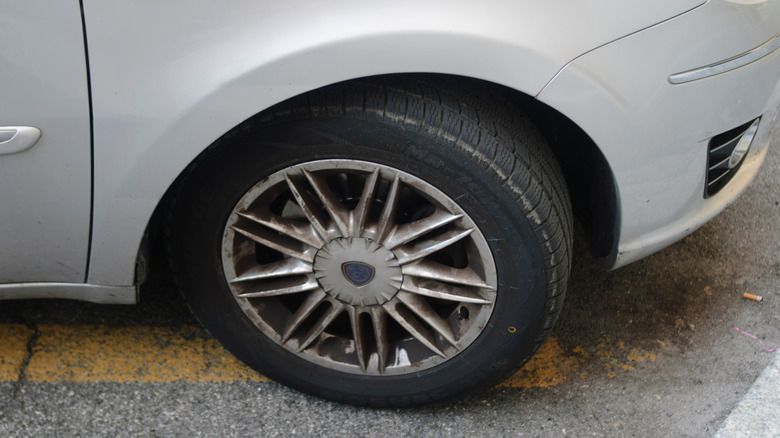
Death, taxes, and brake dust are three things you can count on in life. While there's not much we can do about the first two, keeping your rims shiny and clean is less problematic. Brake dust is a side effect of braking — fine particles wear off from your car's brake pads and rotors as you slow down. These almost invisible traces then find a home on warm, static-charged wheels that just happen to be nearby. Over time, this residue builds into grime that looks unsightly and can damage the wheel surface if left untreated.
If you've ever run your ride through a car wash only to be disappointed with how the wheels look, you'll be glad to know there are options. A bit of elbow grease and targeted cleaning is a start, but that's a never-ending effort. Ideally, the best approach is to keep dust accumulation to a minimum in the first place. Swapping the existing brake pads with ceramic or low-dust units goes a long way toward achieving this goal — here's a look at ceramic vs. organic brake pads. Then, protective wheel sealant helps prevent particles from bonding to the wheels. Finally, incorporate a proper wheel wash (with the right supplies) into your cleaning routine.
Why brake dust sticks to wheels
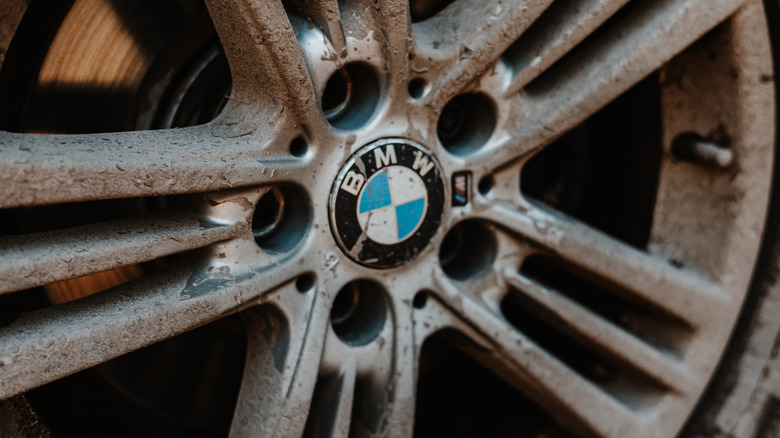
Tackling brake dust starts with understanding its cause. As the brakes are applied, metallic fragments from the rotors and compounds from the pads wear off. The resulting residue may have an electrostatic charge or an adhesive quality, making it especially sticky on wheels and other surfaces.
Braking system manufacturer Bendix reports that metallic brake dust is corrosive, especially on alloy wheel surfaces. So, in addition to an unsightly appearance, the buildup can cause damage. For example, dust can cause pitting on chrome wheels.
How you use your brakes also matters. City driving involves stop-and-go traffic and a more frequent need to slow down. Jackrabbit starts may also be accompanied by aggressive braking. All of these activities put greater stress on the brakes and can help increase dust production. Excessive braking can also cause the wheels to heat up, creating a baking effect between the rim surface and the brake dust.
Three steps to keep wheels dust-free
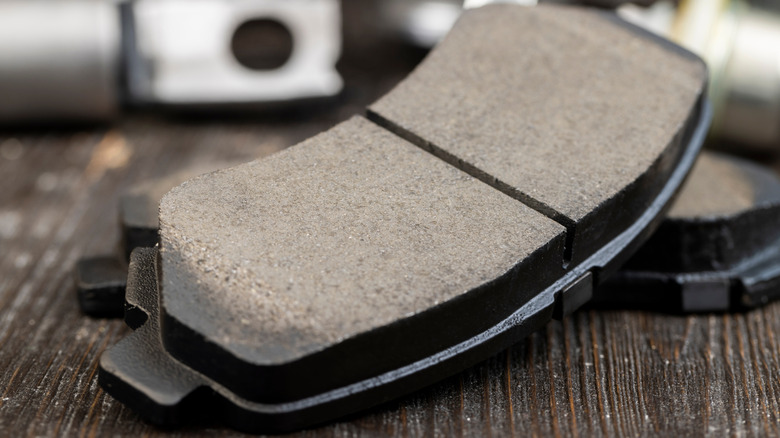
While you can't completely eliminate brake dust buildup on your car's wheels, there are ways to reduce the severity. Arguably, the easiest method requires upgrading the brake pads to ceramic or low-dust units. Fewer particles released during braking translate to less dust accumulation on the rims. Ceramic pads cost more, but they also last longer. If you do swap, just remember to follow the manufacturer's guidance for bedding (breaking in) the new brakes, so the compound works as intended.
Another preventative measure involves applying a protective sealant to each rim to repel brake dust. The idea here is not to let the dust accumulate in the first place, though some build-up is unavoidable unless you keep the car in the garage. However, these coatings aren't a one-shot deal — you'll need to regularly apply them to maintain effectiveness. Follow the instructions, but these solutions typically work best when evenly applied to clean, cool wheels.
Including regular wheel cleaning in your car's upkeep routine also helps prevent dust buildup. This extra step covers more than spraying the hose on the rims for a few extra seconds or upgrading at the car wash. You'll need specialized supplies, including a specially formulated wheel cleaner that removes dust without damaging the clear coat or alloy surface. Don't forget to add a soft wheel brush to the equipment list for helping with stubborn spots or cleaning spokes with an intricate design. Among other car cleaning tips and tricks that can make the job faster, you can also use a microfiber towel to avoid scratching the wheels' surfaces. Finally, always clean the wheels when they're cool to prevent chemicals from baking onto the surface.