

Engine Degreasers Explained: What's In Them And How They Work
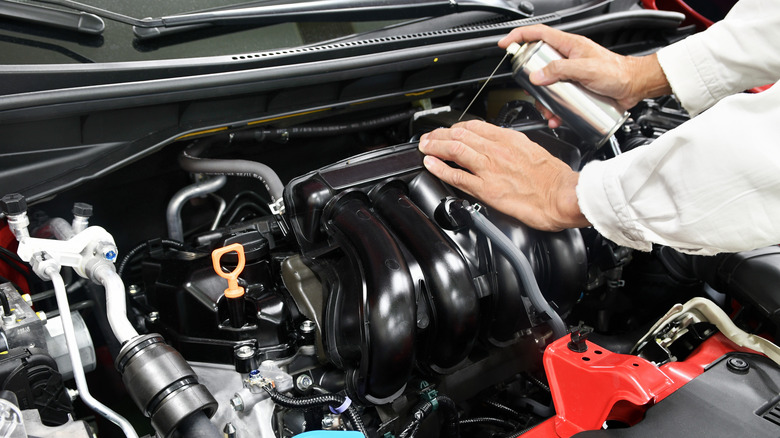
Car enthusiasts often refer to two types of engine degreasers, which often come neatly packaged in aerosol cans, pump spray bottles, or degreasing wipes. Solvent-based engine degreasers contain corrosion inhibitors, alcohols, and hydrocarbon solvents such as glycol esters, mineral spirits, and aromatic agents to dissolve grease, soils, and other contaminants from exterior engine surfaces, typically without requiring excess rubbing or scrubbing. Meanwhile, water-based degreasers contain emulsifiers, surfactants, water, and alkaline agents, making them a non-flammable and non-toxic alternative to the solvent-based ones.
Using a degreaser to tidy up your car's engine bay is safer and more convenient than using water and soap. The latter poses dangers like introducing water contamination and shorting out the parts of the electrical system under the hood, especially when you don't cover the alternator, ignition coils, and fuse box with plastic wrap before the cleaning. With an engine degreaser, you simply apply it to any affected areas, let it sit for a while as it dissolves gunk, and then wipe it off with a cloth. Note that some degreasers are harmful to plastic and electrical parts, so it's a good idea to always read the fine print before using them.
Cleaning and degreasing what's under the hood may sound obsessive-compulsive for some, but any mechanic can attest to the fact that nothing beats working on a clean engine bay during servicing. Moreover, you get some bragging rights with the team after popping the hood, because nothing says "gearhead" more than a clean engine bay.
Engine flushes degrease a motor from the inside
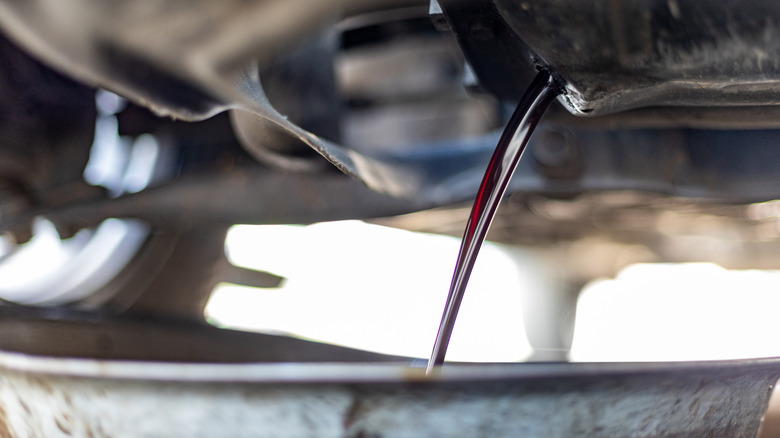
Another approach to engine degreasing and cleaning involves engine or oil flushing, which can effectively address sludge buildup. Not changing the oil frequently enough can cause sludge to accumulate inside a car's motor, which can then lead to engine failure if left unchecked. The byproduct of dirty oil mixed with common engine contaminants like dust, dirt, metal shavings, and oxidized additives, sludge is bad news for any engine.
Products like the Valvoline Engine Oil System Cleaner use a variety of petroleum-derived ingredients to dissolve and remove sludge from internal engine parts. Alternatively, flushing oils like the Mighty VS7 Oil System Cleaner are also petroleum based but without oil-thinning kerosene or mineral spirits. Nonetheless, the latter offers similar degreasing powers to the former to dissolve gum, varnish, and sludge from the crankcase, and it also allows for easy draining.
All gas and diesel engines need periodic oil changes to maintain stellar performance, good fuel economy, and lower emissions (turbocharged engines in particular may need more frequent oil changes), so don't pass on oil changes every 5,000 miles or so to keep sludge buildup in check. It isn't always necessary to flush the engine when changing the oil, but you should consider it if you have an older, high-mileage car, if there's noticeable sludge under the oil cap, or if you're prone to neglecting oil changes. Refer to the owner's manual of your vehicle to determine if the manufacturer recommends periodic engine flushing during routine servicing.