

Here's How RV Antifreeze Is Different From The Regular Stuff

The antifreeze utilized for winterizing RVs is different from the radiator coolant or antifreeze used in a standard vehicle. Not only is there a difference in the chemical makeup of RV antifreeze and engine coolant, but they are also used for different purposes, too. There are two main types of RV antifreeze: ethanol and propylene glycol. Of the two, propylene glycol is the most preferred by RVers for being safe, non-toxic, and non-corrosive to plumbing and water lines.
The antifreeze goes to your RV's water tank to protect the entire plumbing system from freezing and causing expensive damage during winter storage. Winterizing is just one of the necessary maintenance tasks to keep your gas or diesel RV in tip-top condition in the freezing months. It prevents water from freezing and causing severe issues ranging from burst lines to cracked holding tanks and damaged water heaters.
Moreover, winterizing is essential to ensure the RV is ready for your first road trip in the spring. Most RV antifreeze formulas offer burst protection up to -50 degrees Fahrenheit, which means the liquid won't expand and turn into ice until the temperature drops to 50 degrees below zero. Other formulas have burst protection ratings up to -100 degrees Fahrenheit, so keep these in mind if you live in places with intense snow and ice.
Engine coolant is ethylene glycol-based
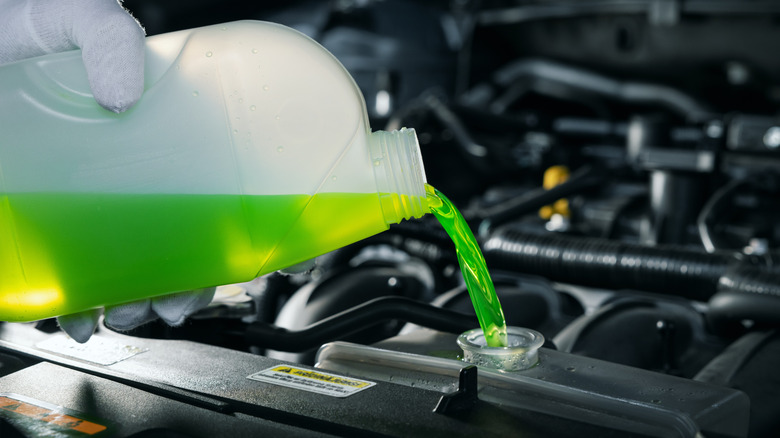
The liquid known as "coolant" does more than cool the engine. Coolant is a mix of water and antifreeze (typically a 50:50 ratio), with the antifreeze made from an ethylene glycol concentrate. Coolant protects the internal components of a car's cooling system – including parts like the engine block, head gasket, radiator, water pump, and thermostat — against rust and corrosion, helping to extend the engine's service life.
The "cool" part of coolant is that it raises the boiling point of the liquid while preventing it from freezing in chilly climates, which protects the engine and cooling system in extreme weather. However, engine coolant is poisonous and hazardous to humans and pets, and ingesting just a small amount is dangerous and may prove fatal.
On the other hand, propylene glycol-based RV antifreeze is generally non-toxic when consumed in tiny amounts, which is why it is safe for winterizing the water tanks and plumbing lines of your RV. Of course, de-winterizing is necessary when the weather turns warmer, which mainly involves flushing out the antifreeze and sanitizing the entire system.
How to dispose of RV antifreeze and engine coolant
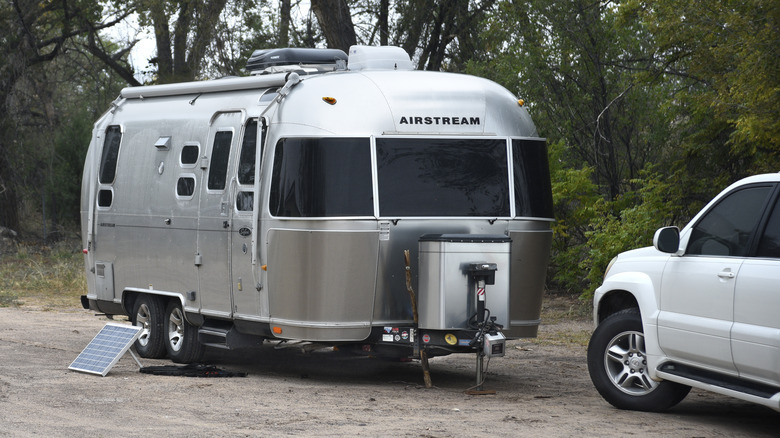
Although considered safe and non-toxic, it's not a good idea to dump used RV antifreeze on the ground or in sewers, as doing so can lead to groundwater contamination. The proper way to dispose of used antifreeze is to collect the liquid and bring it to an auto service center or local waste facility for recycling. RV antifreeze can keep your RV winterized for up to two years, but it's better to drain, sanitize, and replenish with fresh antifreeze if you plan on winterizing for longer than that.
It's a similar deal with engine coolant, which the EPA considers highly toxic and a hazardous air pollutant (HAP) under the Clean Air Act. Draining, flushing, and replenishing the radiator with coolant at least every two years or 30,000 miles is essential for a healthy-running engine. However, proper disposal of the hazardous liquid is equally crucial. Do not let the used coolant drip onto the ground or into sewer drains. Instead, collect the liquid and bring it to a repair shop or to the nearest hazardous waste disposal facility near you.