

The 4 Things To Check If Your Car Is Wet Inside After It Rains
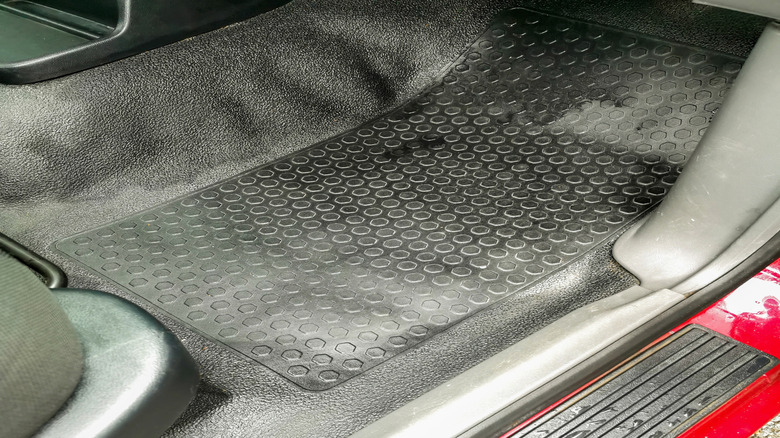
It's never great when you find dampness in your car. Not only is it uncomfortable and unsightly, but if it's left it could easily damage your car's interior, and it can smell pretty nasty too. So finding the cause is of paramount importance, but that's sometimes easier said than done. Although, a solid place to start would be ruling out some of the more common causes that can affect a wide range of different cars. Typically, if your car's getting wet inside after it rains, it'll usually be down to door seals or drainage channels, but it could just as easily be a failed heater core or door card membrane.
The good news is that most of these issues can often be diagnosed and fixed yourself with nothing more than a little patience. If you're struggling, though, it's probably worth seeking professional help to solve the issue before your interiors get trashed and moldy. While we've probably all had to clean some nasty messes out of our cars in the past, no-one wants to be dealing with damp and mold.
A top tip is, rather than waiting for rainfall, sit inside the car and have a helper run a hose gently over the roof and windows. This way you can spot drips as they roll in and confirm whether your suspicions about the source are correct or not. To give you a head start, these are some of the more common sources of those annoying drips and leaks.
Weather stripping leaks
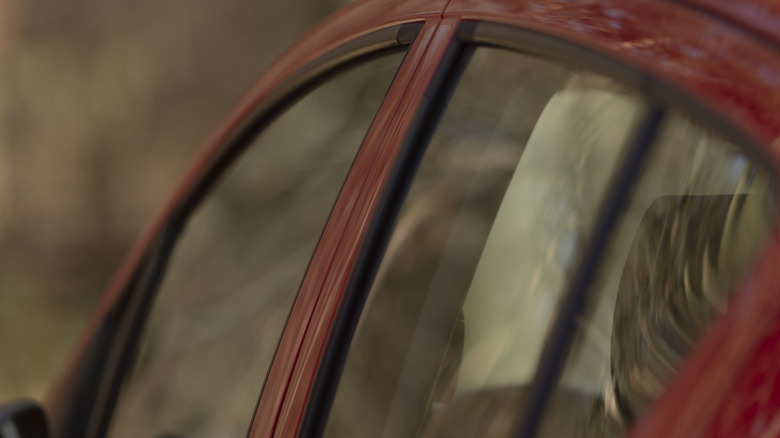
Also known as car door and window seals, weather stripping refers to the rubber strips that sit around your doors and windows. Its job is a simple one – to create a watertight seal that keeps rain, wind, and road debris out — but over time, the material wears down and becomes less effective. Exposure to the elements can cause the rubber to turn brittle over time, and therefore prone to cracks. Once that happens, the seal breaks and water has an easy path inside.
The good thing is, failed weather strips are usually easy to spot with a quick visual inspection. If the rubber looks compressed, torn, frayed, or has pulled away from the door frame, it is no longer doing its job. Another failure point of these comes from the thin metal core that some weather strips have, as if this corrodes, the shape of the strip then distorts, once again breaking the seal it's making with the door or window.
When these are damaged, water will typically trickle down the inside of the door, and pool into the footwell. You can test it by pouring water directly onto the suspected strip and seeing if this happens. Here's the good the news though — weather strips are inexpensive and readily available – so if this is your problem, it's usually easily fixed.
Leaking sunroofs and convertible drainage
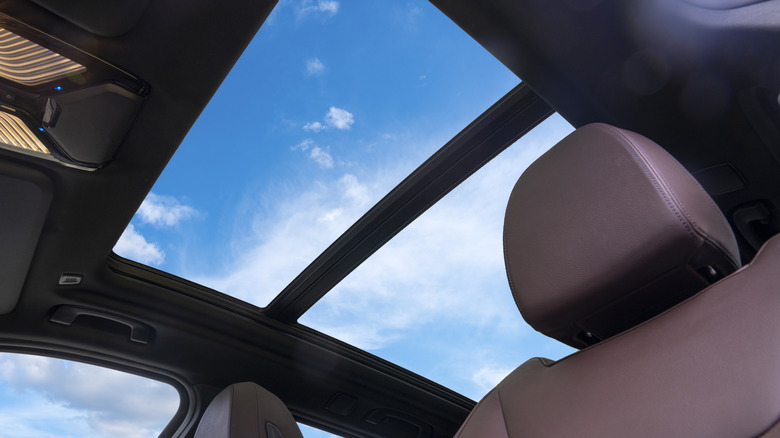
It will likely come as no surprise to learn that the gaping hole in your roof is a prime suspect when water appears in the cabin. By design, most sunroofs or moonroofs are not completely watertight. Instead, they have a thin channel built around the frame, which then guides rainwater into drainage tubes. These then typically run down the car's pillars, and while this system works well when clean, the drainage tubes easily become clogged with dirt and leaves, which causes water to overflow the system and enter the cabin. Certain models are more affected than others, with certain Volvo models sporting an unusually complex design which frequently fails.
This can easily be tested by pouring a small amount of water into the sunroof channel. It should drain out through your wheel arch, or somewhere similar, but if you notice the water pooling or overflowing, you've found your culprit. A blast with compressed air, and maybe some help from a pipe cleaner, will usually clear the tubes out, although be prepared for old water and gunk to gush out during the process.
It's also true that a lot of convertible cars face similar challenges. Even the best convertible cars ever made can suffer, especially if parked outside where leaves and other debris can enter the drainage holes, which are used to manage rainwater. Regularly checking and clearing these drains prevents leaks and extends the life of the roof fabric and the interior below.
Heater core problems
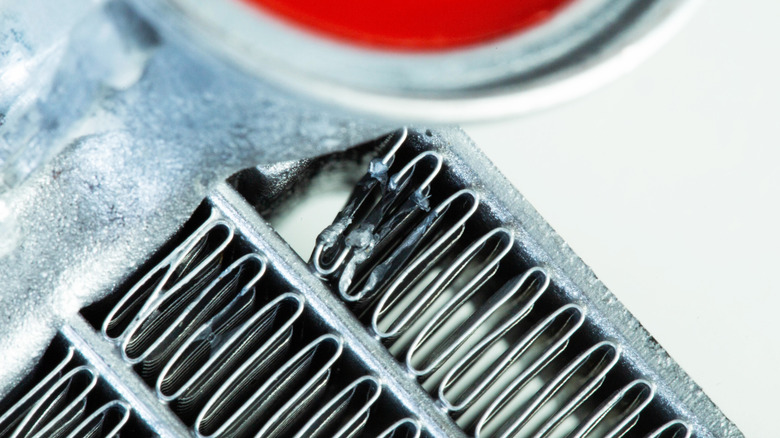
While many do, it's worth noting that not all leaks come from outside the car. A failed heater core is one of the more common internal culprits. It's a small radiator-like component hidden behind the dashboard, and it takes on the job of heating up the cabin by circulating hot engine coolant. Over time, they can corrode, or a connection comes loose, and this allows that coolant to leak into the footwell.
The signs are distinctive, as unlike plain rainwater, leaked coolant has a sweet but unpleasant smell. If the heater core leaks while the system is running, it'll also be hot too, which is a dead giveaway. Typically, it'll leak into the passenger side too, which is another tell-tale sign. Due to where the heater core and associated pipework sits, behind the dash, this one is usually best left to a professional to fix, unless you're pretty handy yourself that is. It's also not something to leave unfixed for ages, as a loss of coolant can have pretty drastic consequences on your engine's health over time.
Damaged door card membranes
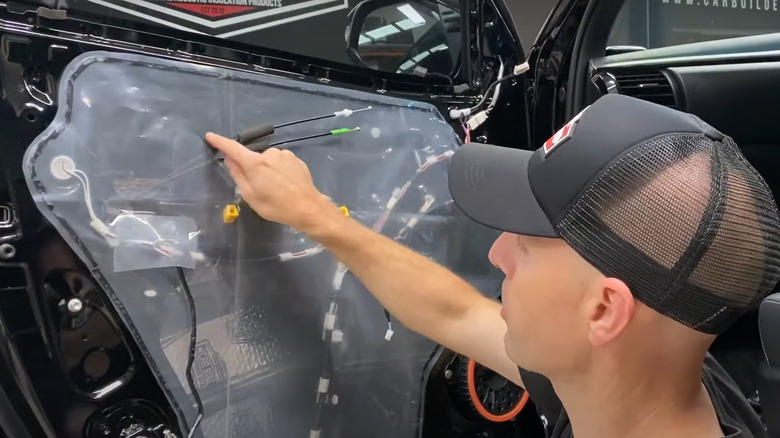
Behind your car door card is a thin protective sheet, often made from polythene or foam, and it's called a membrane. It's also often called a water or splash barrier, which should provide some hints at what its purpose is. When intact, it prevents rainwater from entering the cabin, even if some water gets past the outer window seals. However, if the membrane becomes torn, detached, or degraded, water no longer follows the intended path.
This can happen naturally over time, or it can become damaged when the door card is off for work, such as fixing door lock or window mechanism issues. When damage occurs, water can seep into the door card itself, soaking the trim and eventually dripping into the footwell. If you notice the door card itself is damp to touch, then this is likely to be your culprit.
Fixing it means removing the inner door panel to inspect and then replace the sheet if necessary. You may be able to repair it with waterproof tape if it's simply come away at the edges, but for larger tears, a full replacement is best. It's a simple process, and won't be too expensive, although you take your time to ensure a proper seal is achieved, or you'll only be back there again the next time it rains.